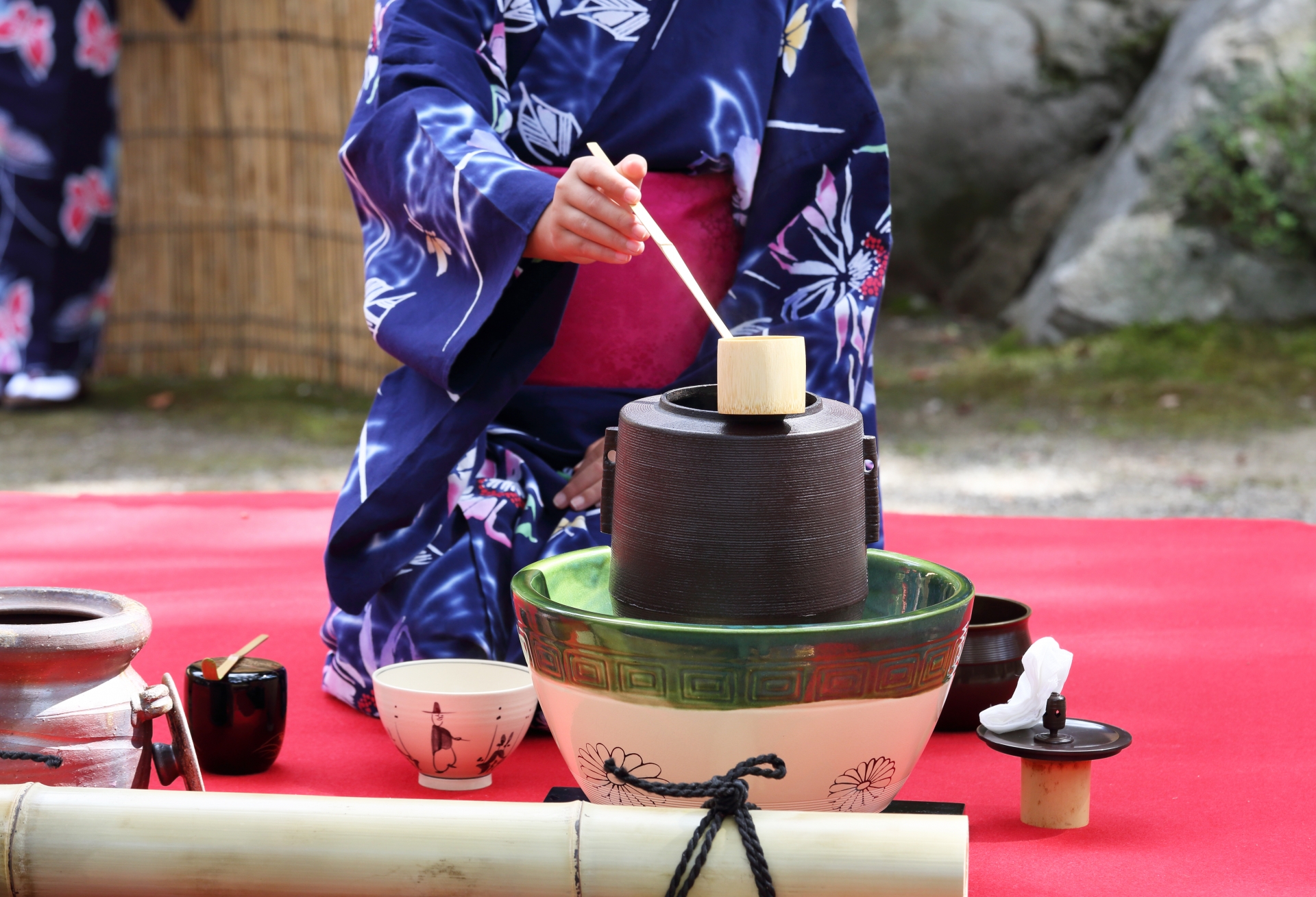
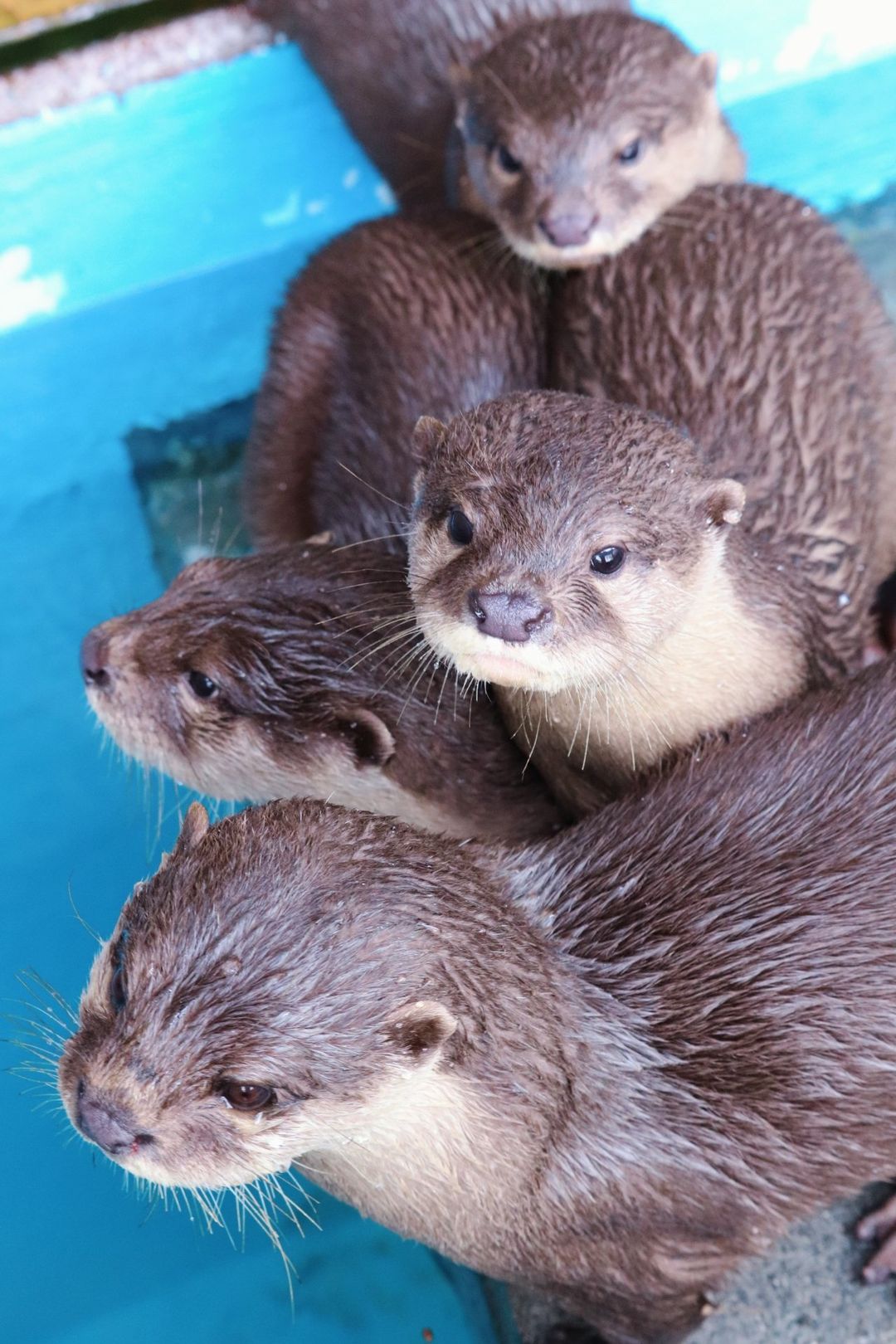
和文は英文の後にあります。ルビ付けは途中です。/ The Japanese translation is on the bottom of the page. We are still working on furigana.
What is the Difference Between “Countryside” and “Inaka”?
Contents
- Did you see wild birds and animals when you were small?
- “We were not in the countryside!”
- Japanese residential areas are not a habitat for wildlife
- An example of a residential area with wildlife
- The backyard of American houses
- What is the image of the American countryside?
***************************************************************
1. Did you see wild birds and animals when you were small?
What kind of place are you living in now? Is it a big city, a small town, countryside or a different type?
We have begun to live in a city called Charleston, SC, in the US. I think it’s “inaka”, which means “countryside” according to the dictionary. However, when I talk to Americans with that notion, the conversation may not go smoothly.
The other day, I had an opportunity to talk to a young American lady living in Manhattan in New York. I told her about wild animals and birds I saw for the first time after moving to South Carolina.
I had heard she was born and raised in a residential area in New Jersey. So I thought it would be an unknown subject for her just like for me. I also grew up in a residential area near Tokyo.
However, she knew everything; she had seen a lot of deer in a grassy field very near her home, she had seen Red-Breasted Robins and Eastern Bluebirds, and she had seen hawks catching squirrels!
From my point of view, you wouldn’t grow up in a residential area and be able to experience those things. For example, I only knew sparrows, pigeons, crows and such. So I rectified my image of her home area as countryside in New Jersey, and said in Japanese,
“That’s wonderful. You know life in ‘inaka’ (countryside) and in a big city!”
2. “We were not in the countryside!”
She turned color a little and said,
“’Inaka’ means countryside, right? My house was not in the countryside. There were a lot of houses and it was a residential area.”
That surprised me. “Oh. if you said you have seen deer, wild birds and hawks in your vicinity in Japan, people would think you grew up in ‘inaka’ . Wasn’t it that?”
“No, no! Aren’t there deer in residential areas in Japan?” She asked.
No, usually we don’t see deer in a human habitation.
3. Japanese residential areas are not a habitat for wildlife
More than 70% of the land is mountains in Japan. The rest is used for rice fields, fields for other agriculture, residences, factories, stores and offices.
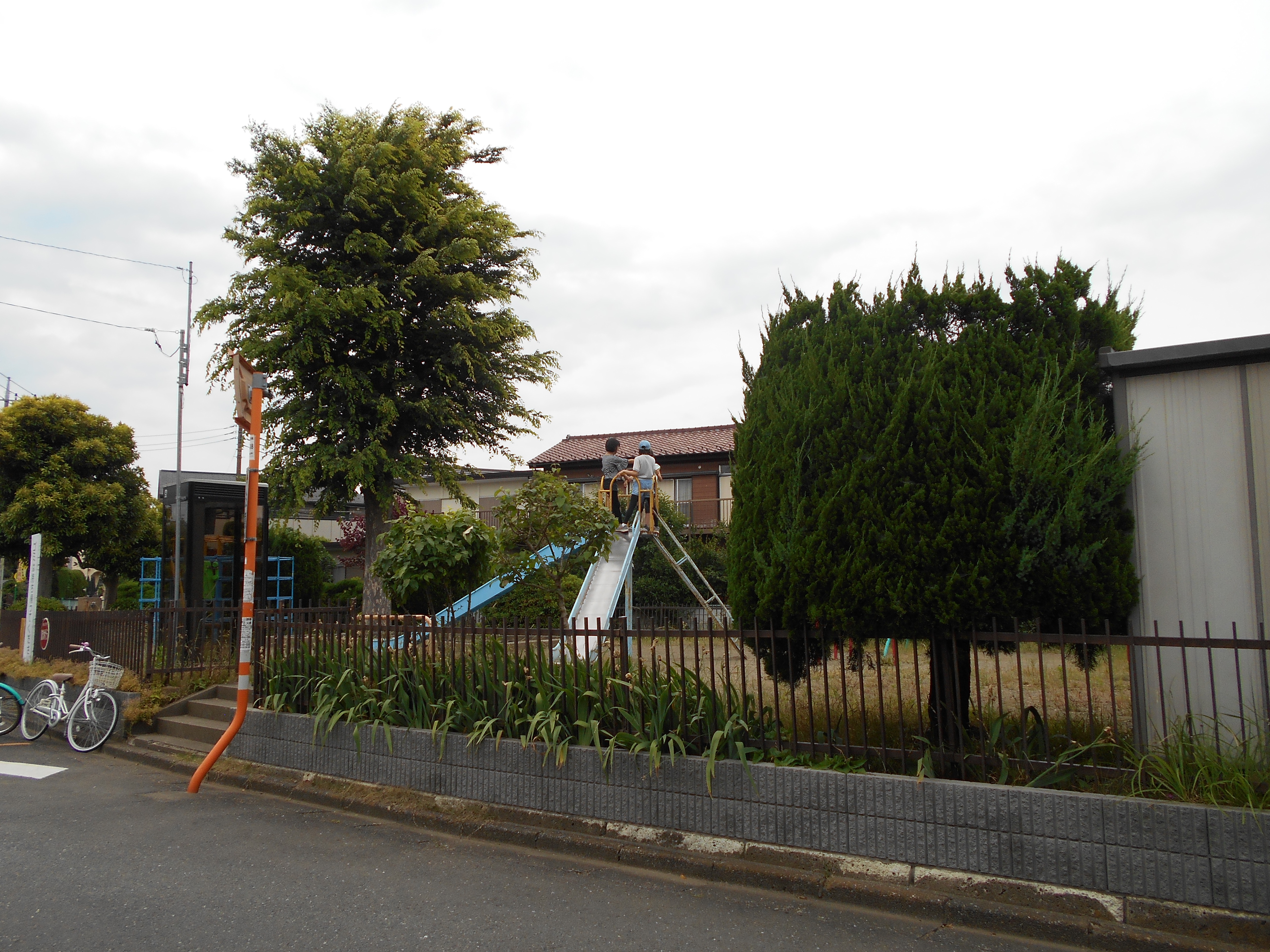
After WWII, real estate companies developed a lot of woods and farmland and built houses on the flat land around big cities. This allowed people to easily commute to work and school in a big city. Thus the suburbs spread with these newly built residential areas, called the New Residential Developments.
I grew up in one of those areas. So when I hear “a residential area”, I automatically think of the New Residential Developments.
Houses in the New Residential Developments are built side to side and rather tightly. Since each property is expensive, much of the property is occupied by the house. Usually they have one space for the garden in front of the house. Many houses do not plant trees which will grow tall and/or wide. It is partly because of the size of the yard, partly because they don’t want to annoy their neighbors.
There are some so-called parks in the New Developments. But these are actually narrow playgrounds equipped with slides and swings for toddlers and young children.
As a whole, those modern Developments offered a place where people can finally live separated or protected from the difficulties of natural phenomena. The New Development is a very popular type of residential areas in today’s Japan.
As a reslut, a residential area in Japan is generally not a comfortable habitat for wildlife.
That’s why, when we hear there are abundant nature and wildlife in an area, we automatically think, “That must be a countryside where there are no developments for residences.”
4. An example of a residential area with wildlife
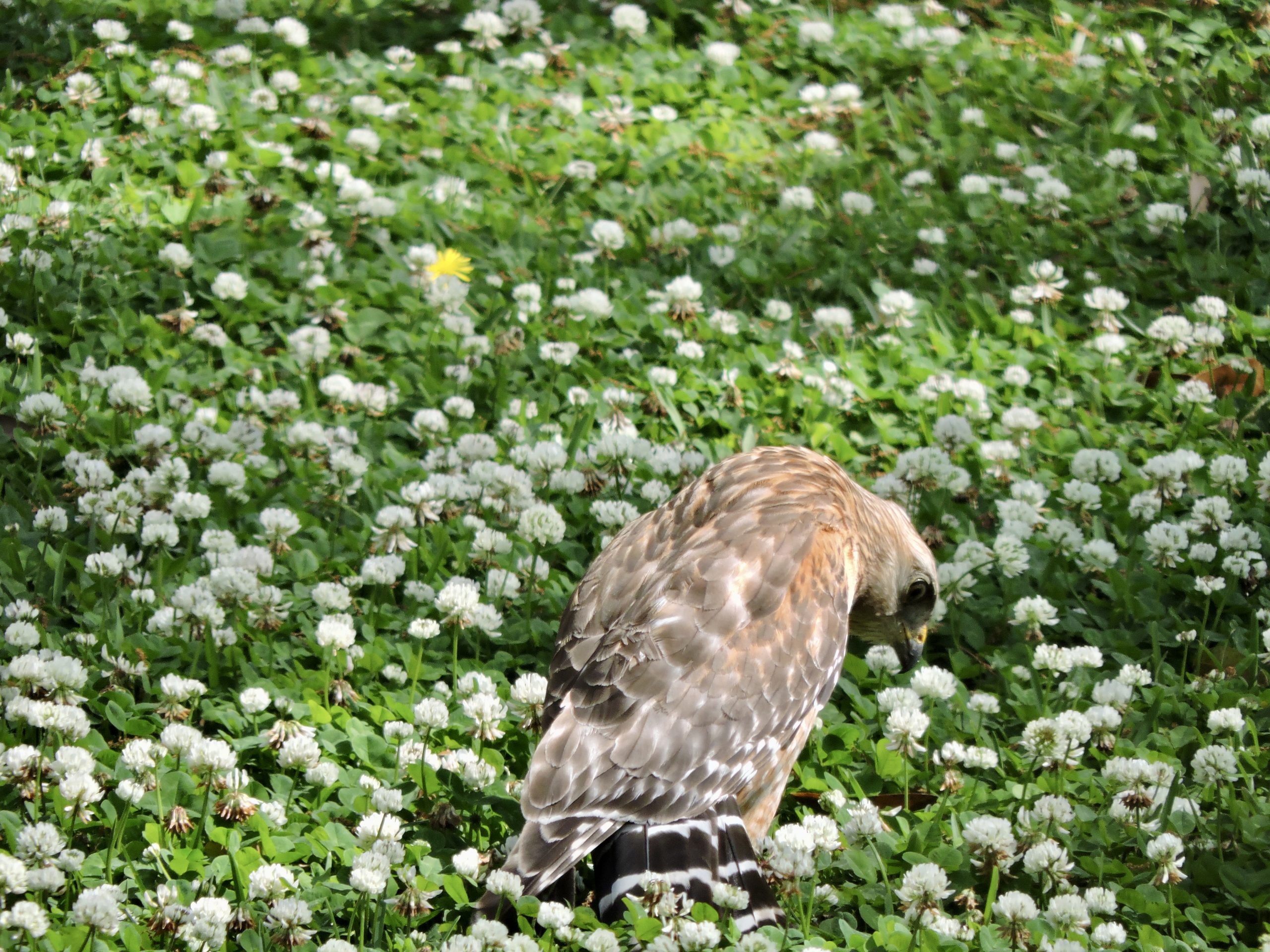
However, there are at least two words in the US to indicate a human habitat abundant with nature: “Residential area” and “countryside”. On the other hand, there is only one word “inaka” in Japanese.
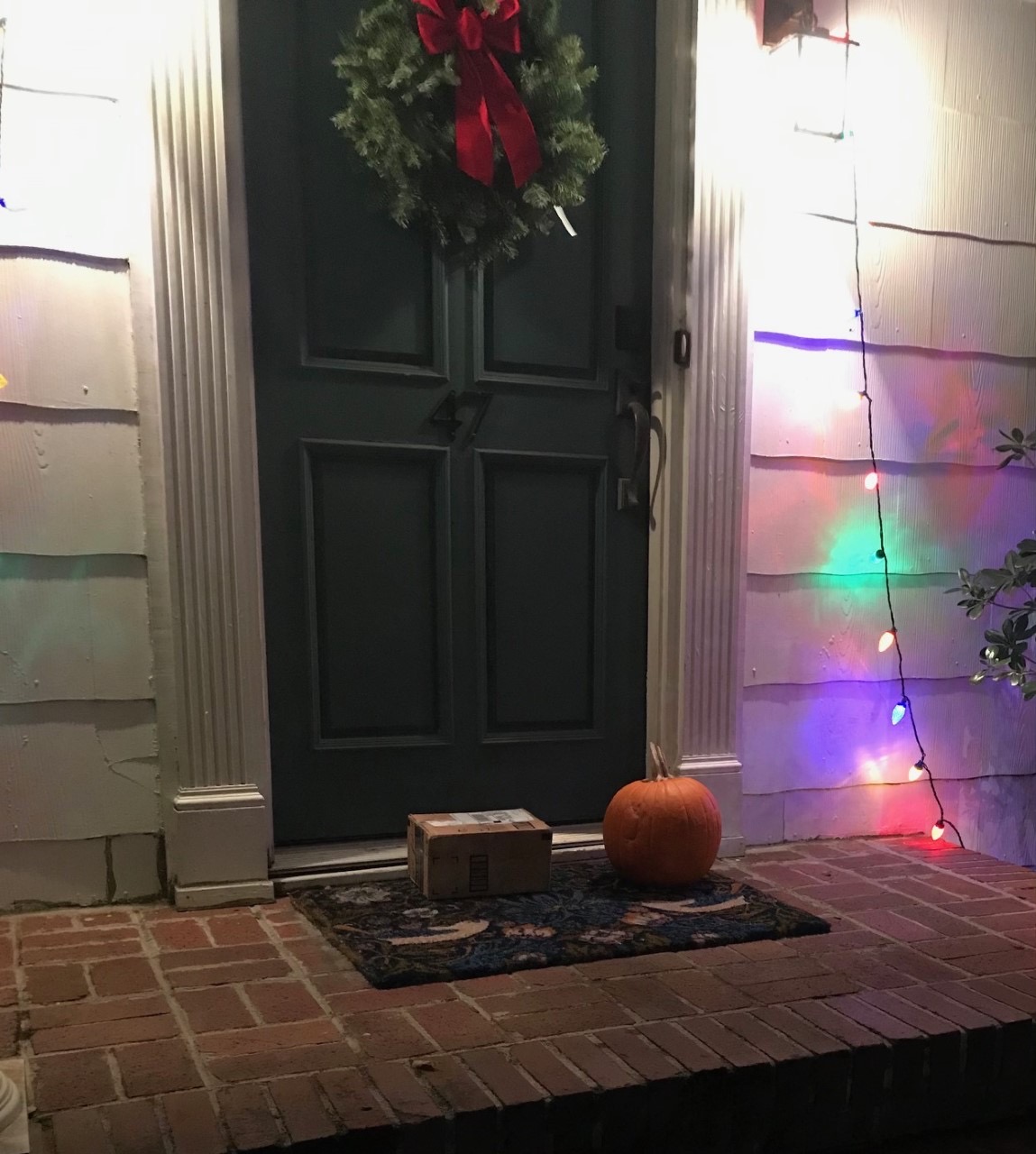
As an example of a residential area with wildlife, I will tell you about my neighborhood in Charleston.
This is a high temperature and high humidity province. It is very thick with trees and plants such as live oak, pine trees, palms, crepe myrtle, jasmine, wisteria, among others.
In the backyard of houses, tree branches grow, overlap those of the neighbors, and eventually the entire subdivision can become an expanse of rich green like a park forest. You can see many wildlife such as wild birds, squirrels, raccoons, and so on.
A casual look may be very different from their counterparts in Japan, but all the properties were developed by realtors in the same way. Likewise, infrastructure such as electricity, gas, water supply and sewage, trash pickup service, and the Internet, is developed for the the entire houses in a subdivision or neighborhood.
I assume that the American woman was living in a similar type of area in New Jersey.
5. The backyard of an American house
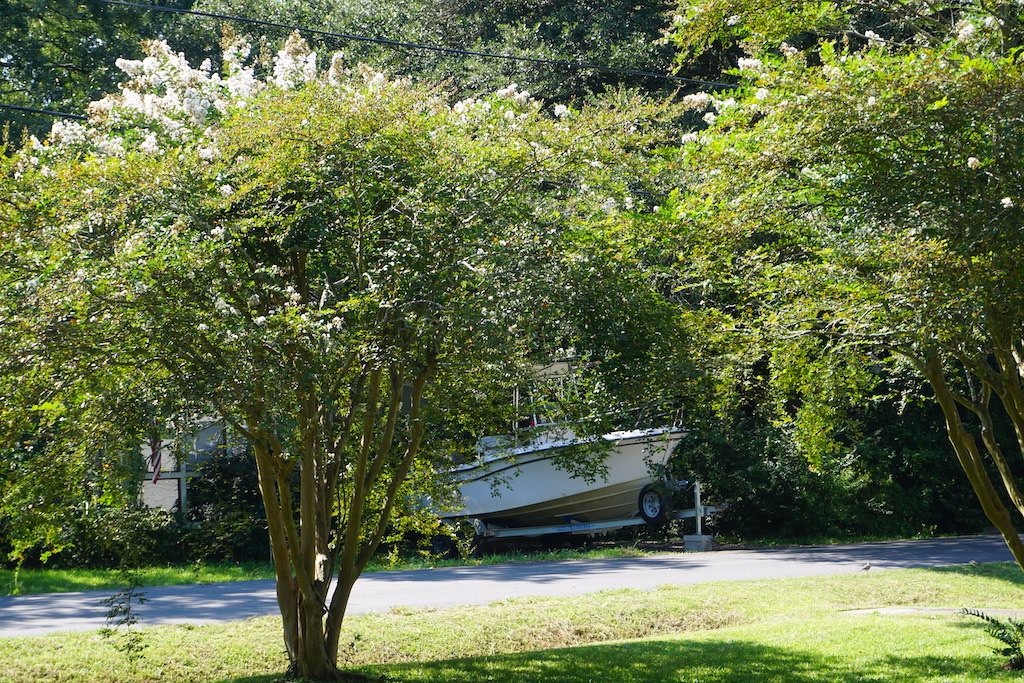
By the way, the backyard of American houses is very interesting to a Japanese eye.
Of course all houses and yards are different in size and shape, but I will tell you what looked fresh to me.
First, the shape of the property is an elongated rectangular. The long side can be three times longer than the width, much longer than that of the Japanese ones. The long side is divided in three parts at such proportions as, for example, 1:1:1 by the front yard, the house, and the backyard.
In front of the main entrance of the house spreads the front yard. It faces the road, and is first viewed by the visitor. It is basically covered with lawn, and looks classy and formal.
On the other side of the house is called the backyard. In Japan, a “backyard” may sound like a narrow, shady place. They might only put a couple of trash bins and a shed. But this is not like that; the backyard here is as spacious as the residential space. Each household has their activities of choice and set up their backyard to enjoy them. Compared to the front yard, the backyard clearly shows the residents’ character and taste.
How? Some houses are not surrounded by a wall, so we will peep discreetly as we take a walk.
Frequently you see cafe table and chairs.
Some have barbecue sets.
You see a lot of bird feeders and bird baths.
There are vegetable patches, trees bearing such fruit as oranges, pomegranates and pears, a chicken coop so that they can eat fresh eggs.
A small garden looks the oriental style with a pond and rocks arranged around it, and another English style with topiaries.
A small enclosure to prevent dogs and kids from coming onto the car road, slides, trampolines, tree houses and other children’s equipments.
A swing hung with very long ropes from a very tall tree is a beautiful sight.
Also beautiful are a lot of small light bulbs hanging from cords, pulled loosely across their trees and posts. At night, the yard looks like a dream with the festive golden lights.
A swimming pool, tennis court, or a basketball hoop, etc, etc.
In a house, I saw an elegant round-shaped swimming pool. It seemed that the children of the house had left home years ago, and it was totally dried up. Jasmine and many other vines and weeds were happily growing from it as if it had been some ancient ruins. It was a very poetic scene but the cleanup will not be easy.
6. What is the image of the countryside in the US?
Then, what is the real countryside in the US? I asked this last question to the American woman.
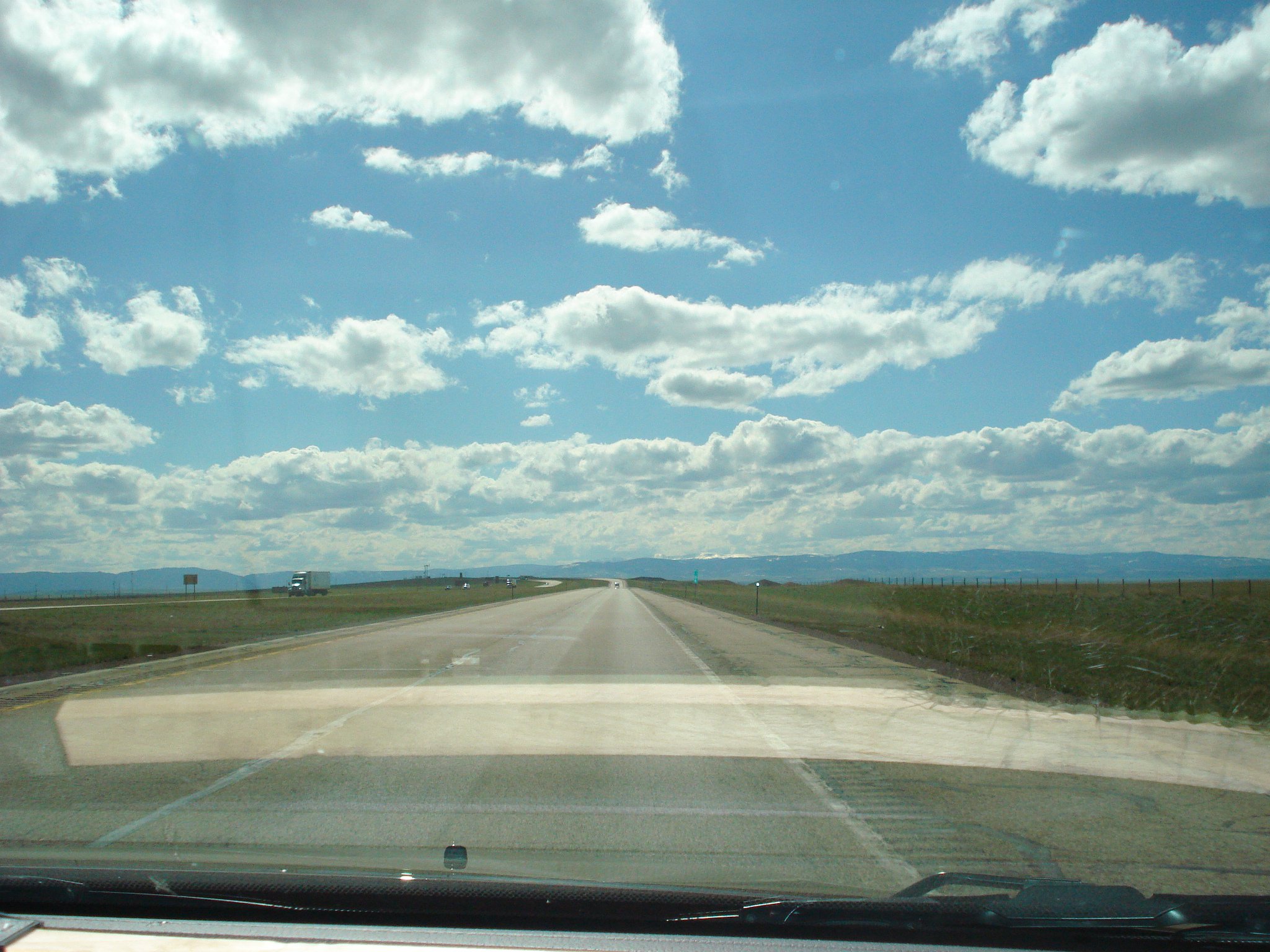
Her answer was, it is a place where you don’t see the next house until you drive for minutes and minutes.
Yes, I have seen places like that. Houses were apart by kilometers among fields of soy, corn and cotton or pine woods and there were no visible communities. Sometimes, however, I was a little surprised to see many churches.
Churches are of course found elsewhere in the US. They caught my attention since there were so few other non-residential buildings. I wonder if churches are even more important as a physical place for people to meet and stay connected with others, in the countryside.
Recently a conversation at a local antique shop gave me another clear image on the American countryside.
I was complaining that I had set a birdbath up in our yard but no one had visited it yet. Everyone there said that their houses were in the countryside; that wild birds were not very shy of them; and that on a hot day, many come flying immediately when they added fresh water in their birdbaths, even if they were still standing there. I was very envious.
[End of the English text]
カントリーサイド と 田舎はどう違う?
目次
- 子供のとき、野鳥や野生動物を見ましたか?
- 「うちはカントリーサイドじゃありません!」
- 野生動物は日本の住宅街に住みにくい
- ある自然豊かな住宅街
- 米国の家の「裏庭」
- 米国でのカントリーサイドのイメージは?
***************************************************************
1.子供のとき、野鳥や野生動物を見ましたか?
あなたの住んでいるところはどんな場所でしょうか。都会、町、田舎あるいは何か別の‥‥?
私たちは、南カロライナ州のチャールストンという市に住み始めました。日本語では、田舎だと思います。辞書によれば、日本語の「田舎」は英語の「countryside (カントリーサイド)」です。しかし、そのつもりで話をすると、アメリカ人と話が噛み合いません。
たとえば、先日、ニューヨーク・マンハッタン在住の若い米国人女性に、私が南カロライナに来て初めて目にした野鳥や動物たちの話をする機会がありました。
彼女はニュージャージーの「住宅街」で育ったと聞いていました。それで、野生動物の話は私と同じように、未知の珍しい話題だろうと思ったのです。私も東京周辺の住宅街で育ったからです。
ところが、彼女は何でも知っていました。たぶん私以上に。家の近くの原っぱに鹿がたくさんいたり、庭にコマツグミやルリツグミが来たり、鷹がリスを捕まえるのを見たことがあったり!
私の考えでは、住宅街でそんな体験はできません。私はせいぜい雀やハト、カラスしか知りませんでした。
それで、彼女がニュージャージーの田舎に住んでいたのだと理解を修正し、「いいですねえ、田舎の生活も都会の生活も知っていて」と日本語で言いました。
2.「うちはカントリーサイドじゃありません!」
彼女はちょっと色をなして、
「イナカってcountrysideでしょ。私の住んでいたところはカントリーサイドじゃありません。家がたくさんある、residential area(住宅街) です」と言いました。
私は驚いて、「そうなんですか。住んでいる所で鹿や小鳥、鷹なんか見たことがあるって聞くと、日本だったらイナカだと思うなあ。ちがうの?」
「違いますよ! 普通の住宅街です。日本の住宅街には鹿がいないの?」と彼女は聞き返しました。
はい、日本の住宅街には、鹿はいません。
3.野生動物は日本の住宅街に住みにくい
日本は国土の70パーセント以上が山地です。残りの平地を、田畑や住宅や工場やオフィスに利用しています。
戦後、大都市周辺の平地では、森や林や農地を開発してたくさんの宅地造成が行われました。これによって、都市部で仕事を得たり学校へ行ったりすることが容易になりました。こうしてできた住宅街は新興住宅地と呼ばれ、郊外として広がっていきました。
私はそのような住宅街のひとつで育ったので、「住宅街」といえば新興住宅地が思い浮かびます。
そこでは、家々はかなりぎっしり建てられています。地価が高いので、敷地の大部分が家屋に充てられ、庭はふつう家の前面にひとつです。庭の広さもあるし、近所の人に迷惑をかけたくないので、高く伸びたり、枝を横に広げたりする木を植えない家も多い。
ところどころに公園もありますが、実際はすべり台やぶらんこなどの遊具のある、幼児・児童向けの小さな運動場です。
このような新興住宅地は、私たちが晴れてわずらわしい自然から切り離され、またはそれから守られて生活できる場でした。新興住宅地は今日では居住区の一般的なスタイルです。
すなわち、日本の住宅街は、野生動物や野鳥が訪れたり繁殖したりしやすい環境ではないのです。
ですから、自然が豊かで、たくさん野生動物がいると聞くと、自動的に「開発造成されていないわけだから、そこは田舎だろう」と考えます。
4.ある自然豊かな住宅街
自然豊かな住環境を表すのに、米国には、「住宅街」と「カントリーサイド」など、少なくとも二つの言葉がありますが、日本語には「田舎」しかありません。
自然のある例として、私たちの住むチャールストンの住宅街についてお話しします。
この地方は高温多湿で、一年のほとんどの時期、ライブ樫、松、ヤシ、サルスベリ、ジャスミン、藤などの木や植物が色濃く生い茂ります。
裏庭の木の枝々は伸びに伸びて、隣家の木の枝と重なり合い、住宅街全体にまたがる公園の林のような広がりになります。ここにたくさんの野鳥やリス、アライグマなどの動物がいます。
一見日本のそれとはずいぶん違いますが、敷地はやはり業者が造成したものです。数十軒でひとつの区域 (サブディビジョン、ネイバーフッドなどと呼ばれる) を構成していて、区域ごとに電気やガスや上下水道、ゴミの収集サービス、インターネットなどなどのインフラが整っているという点も、日本の住宅地と同じです。
私の話したニュージャージー出身の女性も、きっとこのような住宅地に住んでいたのでしょう。
5.米国の家の「裏庭」
ところで、日本人の目には、米国の一軒家の「裏庭」がとても面白い。
もちろん家や庭の大きさや形は千差万別ですが、私が興味深く思ったのはこんなことです。
まず、敷地の形は、縦が日本の普通の住宅街のそれよりひょろ長く、ヨコ対タテが1:3などの長方形が多い。そして、タテを三分割して、例えば前庭:家:裏庭が1:1:1になるような感じで使います。
家の手前、玄関の前に広がるのが前庭です。前庭は道路に面しているので、最初に目に入ります。基本的に芝生で覆われていて、フォーマルな感じです。
そして、家の反対側が裏庭 (バックヤード) です。日本では裏庭というと狭くて、物置やごみバケツしかなかったり、日が全然射さなかったりという感じがあるけれど、そうではありません。裏庭は、少なくとも居住スペースと同じくらい広く、各家庭が好きな活動をしやすいように、十人十色に作っています。前庭に比べて、裏庭では、住人の個性全開です。
どんな風か? 塀のないお宅も多いので、散歩がてらちょっと道からのぞきます。
カフェテーブルと椅子、バーベキューセット、自家用車で引く荷台に載ったモーターボート。
野鳥の餌台や水飲み場。
家庭菜園。オレンジ、石榴、洋梨などの果樹。ニワトリを飼って、新鮮な卵が食べられるお宅。
池に石をあしらって東洋風の庭にしたり、トピアリーを作ってイギリス風の庭にしたり。
犬や子どもが道路に出ないように柵で囲ったり、すべり台や大きなトランポリンなどの遊具、ツリーハウスが設置してあったり。
高い木から長い綱で下げてあるぶらんこは、とても美しいものです。
美しいといえば、裏庭の柱や木に、 たくさんの黄色い電球(フェアリーライトというのか?)の下がった綱をたるませて渡しているお宅は、夜、夢のような美しさです。
プールやテニスコート、バスケットボードをしつらえた家もあります。
ある家の裏庭では、子どもたちが巣立ってだいぶ経っているのか、優雅な円形のプールが干からびた古代の廃墟のようになっていました。ジャスミンなどが生い茂って、とても風情がありましたが、掃除する時が来たら一仕事でしょう。
6.米国のカントリーサイドとは?
それでは、本当のカントリーサイドはどんな感じなのでしょう。そのアメリカ人女性に、最後に聞いてみました。
答えは、車で何分も何分も走らないと次の家が見えてこないような所、だそうです。
そういう所、私も車で通ったことがあります。大豆やとうもろこしや綿花の畑、あるいは松林が続く中、人家は何キロも間をおいて建っていて、目に見えるコミュニティーがない。ただ、時々、教会をたくさん見かけました。
教会の存在自体は田舎に限ったことではないけれど、住居でない建物があまりに少ないので目立ちます。教会はカントリーサイドでは、実際に人と会ってつながりを持つ、より大切な場なのかもしれません。
先日、近所のお店でおしゃべりしていて、米国のカントリーサイドについてわかりやすいイメージをもうひとつ得ました。
私は先日庭に作った水飲み場になかなか野鳥が来てくれない悩みを話していました。そこにいたのはみんな自称カントリーサイドの住人で、野鳥はあまり人をこわがらないと言っていました。暑い日に水盤に水を入れてやると、自分がまだそこにいるのに、一斉に飛んできて水を飲むそうです。うらやましい思いでした。
[和文部終わり]
[print-me]