ルビつき和訳には英文の下にございます。/ The fully rubied Japanese translation is below the English text.
This is a continuation of “What is the Satsuma Mandarin?” / これは「サツマみかんとは何か」の続きです。
THE US AND THE SATSUMA MANDARIN
                                 Contents

1. Citrus unshiu first came to New Orleans?
2. Jesuits' oranges in 18th Century
3. Grafting
4. Robert Van Valkenburgh
5. Anna Van Valkenburgh
6. The first satsuma grove
7. Dr. George R. Hall
8. Back in the US
9. A cold-resistant citrus
10. The “kid-glove oranges"
11. The passing of the satsuma gold fever
12. Satsuma in today’s US
13. Satsuma in Charleston, SC

The Japanese translation

References / 参考資料
1. Citrus unshiu first came to New Orleans?
We found an interesting link in Wikipedia. It connected the Citrus unshiu (the most common variety of the mandarin orange in today’s Japan) page to a blog of a radio station in New Orleans. According to it, in the 18th century, Jesuits established a plantation in what is now New Orleans, LA, and grew satsuma mandarins or Citrus unshiu.
It means the debut of Citrus unshiu in North America could have taken place in present-day New Orleans. Can it be true?
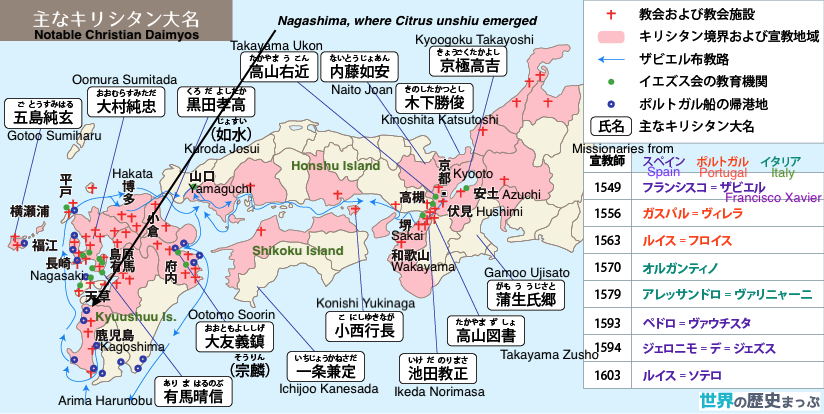
Let’s see. As far as we know, in the late 16th Century, Jesuits from Spain and Portugal came to Japan to establish missions. They were successful at the beginning. As a result, there were daimyos who converted to Christianity in the area where Citrus unshiu grew (in present-day Kagoshima Prefecture).
Therefore, maybe some Jesuits found Citrus unshiu to be tasty, brought them back to Europe, and about 120 years later, the citrus was introduced to present-day New Orleans. We considered that possibility.
2. Jesuits’ oranges in 18th Century
In the first half of the 18th Century, France was trying to build a colony in today’s New Orleans area.
The Jesuits from France came to propagate Christianity to native Americans. In addition, the Jesuits built a large plantation there and grew tobacco, sugar and oranges from about 1827 to 1873. The radio station’s theory was that these oranges were actually Citrus unshiu.
There is another theory, though. It says the Jesuits grew oranges from seeds obtained in the West Indies.
This sounds more plausible to us. It’s because more than one study give support to it by saying that “grafting”, a method indispensable in growing Citrus unshiu, wasn’t practiced in 18th century US citrus cultivation.
3. Grafting
Grafting as a standard procedure in commercial citrus groves began in the US only during the 1870’s.
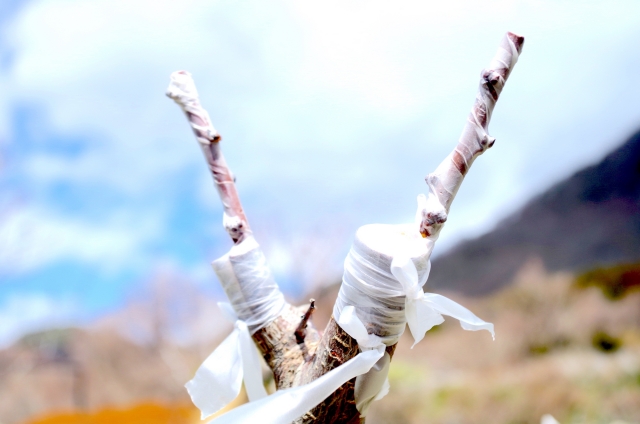
Image by ac-photo
On the circumstances, there is an interesting episode in “Florida Fruits and How to Raise Them”, a book published in 1886 by a Helen Harcourt. The author tells us what she heard from a neighbor as follows:
Fourteen years ago, her family moved from the North to Florida. They transplanted several sour orange trees from a nearby orange grove to supply shade in their yard. However, their fruit was always left to fall and rot on the ground since no one wanted it.
One day, a stranger visited. He argued very eloquently on the great gains by cutting the tops off and inserting buds from a sweet orange in their trunks.
Her husband was interested in practicing it against her opinion. She “scolded and cried” but finally he sawed the trees off and inserted the little green sticks that the stranger had given them.
In three years, they began to have a fine crop of wonderful oranges. Then they created a business to sell oranges. And she, by then the owner of fine groves, blessed the stranger and thanked her husband!
This is a story about sweet oranges, but Citrus unshiu also required grafting. That’s why we think that it was probably the Caribbean orange seeds that the Jesuits grew in New Orleans in the 18th Century.
Of course it’s possible that the Jesuits did have the knowledge of grafting and grew Citrus unshiu. Maybe the technique and memory were lost in the course of history. We simply couldn’t find information to pursue this possibility.
4. Robert Van Valkenburgh
The scene has now moved to Japan at the end of Edo Era.
Just around the time of Meiji Restoration, Robert Van Valkenburgh (1822-1888) was appointed Minister Resident to Japan from 1866 to 1869.
His career is so impressive that we wonder if he was chosen and sent to Japan for his competence when Japan was in enormous political turmoil.
He first studied law and began practice in the state of New York, and then he became a politician. He was elected and held office at the New York State Assembly for a couple of years and as a Republican to the US Congress from 1861 to 1865. During the Civil War, he distinguished himself as a recruiter and an officer.
However, what we most appreciate is that he took his wife, Anna, upon assuming his new post in Japan.
5. Anna Van Valkenburgh
org/w/index.php?curid=3916750による
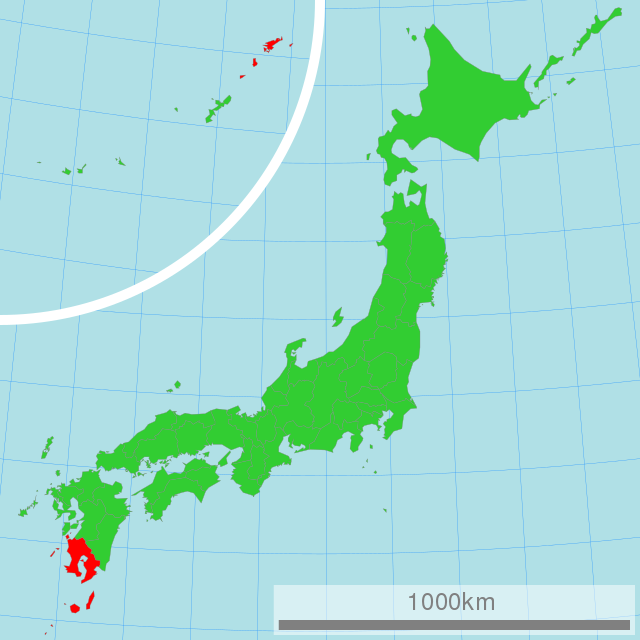
During their stay in Japan, Anna and her husband travelled on Kyushu Island. It is said that they ate Citrus unshiu in Satsuma (an area in present-day Kagoshima Prefecture).
Anna was immensely pleased with the Japanese mandarins.
She loved them so much that later she had saplings of Citrus unshiu sent from Satsuma to her home in Florida. And she began to grow a satsuma grove in their yard.
We assume her husband of course worked hard to make it happen, but it is his wife who people believe was the driving force. The arrival of the the citrus was actually nine years after General Van Valkenburgh left the post in Japan.
Thus the Valkenburghs began to grow Citrus unshiu in 1878. It is said to be one of its earliest cultivations in the US.
6. The first “satsuma” grove
Anna Van Valkenburg didn’t call the citrus by any of the original Japanese names such as Unshiu mandarin or Nagashima mandarin. She named it “Satsuma” (to the surprise of our fellow Japanese who hear this).
Abrupt as it may sound, it was a good new name. In those days, “Unshiu” probably sounded strange in English and people could have wondered how to pronounce it. “Satsuma” looks like a name.
After about ten years, in 1887, Anna passed away. Her husband followed her to the grave the next year, and their property was divided and sold by the family.
This is how the first “satsuma” grove ended its short life. It had seventy-five Citrus unshiu trees including some from Japan.
However, during the ten years the Van Valkenburghs were tending them, the citrus called “satsuma” with unusual characteristics—sweet, pip-less and easily peeled—became known not only in Florida but all over the South. The fame and popularity of General Van Valkenburgh, who was also on the bench as associate justice of the Florida Supreme Court, may have helped the information travel fast.
Today, their house is still standing in Jacksonville, FL.
Changing hands and enduring many repairs and renovations, it has now become like a maze, but it is still a habitable, historical home. One day, if we have an opportunity to visit Jacksonville, I would like to walk around the house where the mandarin grove used to be.
7. Dr. George R. Hall
However, people say a Dr. George R Hall (1820-1899) first introduced Citrus unshiu to Florida, i.e., the US, a couple of years earlier than the Van Valkenburghs.
George R. Hall was born in Bristol, RI. After he graduated from Harvard University, he became a doctor, and began a medical practice in Shanghai, China.
Several years later, however, Dr. Hall gave up medicine for financial reasons and commenced business with a friend. They first visited Japan in 1855, before Japan was formally open to trade.
The business went very well. Dr. Hall and his friend had an eye for art and antiques, and so they were able to buy the rarest curios, copper, ivory, jade, lacquerware and porcelains from Japan. Also, the exchange rates of gold and silver were greatly in their favor.
In 1860, Japan opened a new foreign compound in Yokohama. Dr. Hall moved and stayed there for the last two years of his Oriental sojourn.
During this period, his latent interest in plants emerged. He began to diligently assemble a collection of Japanese plants in his garden in Yokohama.
8. Back in the US
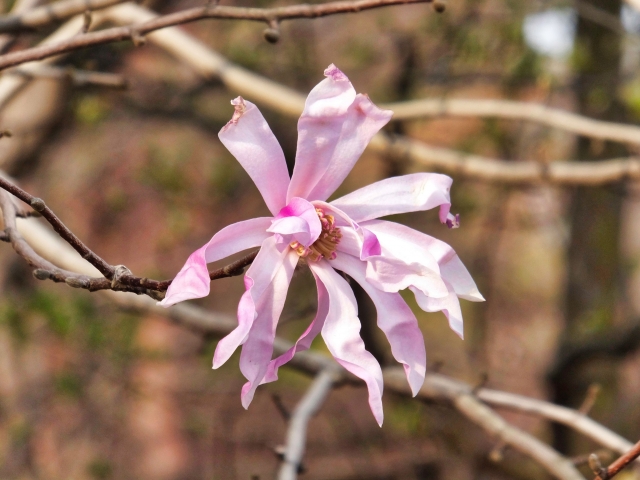
In 1862, Dr. Hall permanently returned to the US.
He brought back and offered a lot of the Japanese plants to the nurseries in Massachusetts and New York for propagation and culture. The propagators were very excited to be entrusted with the exotic plants since many of them were then unknown to the US or in Europe.
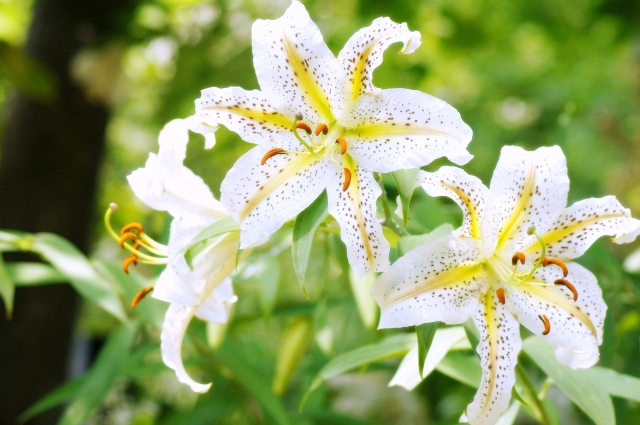
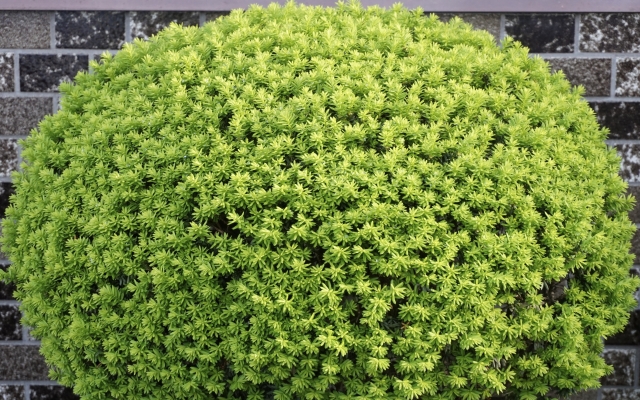
In today’s US, many of them (for examples, see photos #1, 2, and 3) are appreciated in gardening and landscaping, but some, such as Japanese honeysuckle, are not welcome since they are very invasive.
Now Dr. Hall began his life back in Bristol. However, a family tragedy soon struck him, and he looked for another place to settle in the US. He began to spend winters in Florida and eventually built a second home near Jacksonville. The rest of his life was spent in travelling between Florida and Bristol, and in tending his gardens in both.
In 1875, he made one more trip to Japan. We reckon he brought Citrus unshiu back this time, because the prevailing view is that he began to grew it in Florida in 1876.
9. A cold-resistant citrus
In the winter of 1880-1881, however, cold waves hit Florida. The afore-mentioned book “Florida Fruit…” tells us of Dr. Hall’s orchard at this occasion as follows:
During the…winter of 1880, the cold wave of December 25th…injured so many trees in the northern and central portions of Florida… On Fort George Island, …where the Satsuma was first planted on Florida soil, lemons, limes, and shaddocks suffered in fruit and limb; sweet oranges lost their leaves and young tender growth, while the Satsumas…did not suffer in the least, either in fruit, leaf, or branch, the leaf not even turning yellow or dropping; and in January, 1881, the same experience was repeated.
”Florida’s Fruits and How to Raise Them”
The cold wave caused Dr. Hall a financial disaster but also proved the “satsuma” to be cold-resistant from the onset. This book was very popular in Florida in those days, so it must have prompted a lot of people who moved from the North to grow “satsumas”.
10. The “kid-glove” oranges
“Florida Fruit…” also has a description of the fruit of “Satsuma”. It says:
The fruit is medium size, flattened; skin, deep orange color, smooth and thin, easily detached; pulp, dark orange; segments part freely, fine grain, tender, sweet, and delicious; best in quality of the kid-glove family.
“Florida’s Fruit and How to Raise Them”
From around the mid-18th Century, many American women didn’t go out in public without gloves. Whether they thought it was an etiquette to hide their hands made rough-looking from household chores and farming or just fashionable, we don’t know. But the best material for gloves was kid because it was soft, thin and elastic. And white kid was always the choice when they were fully dressed.
Clementines and tangerines were called “kid glove oranges”. They were so easy to peel that they didn’t even soil the fingertips of the fancy gloves, hence the name. It is a little flattering to hear the “satsuma” was called the best quality of them.
Perhaps this quality of “satsumas” pleased Ana Van Valkenburgh, too.
11. The passing of the “satsuma gold fever”
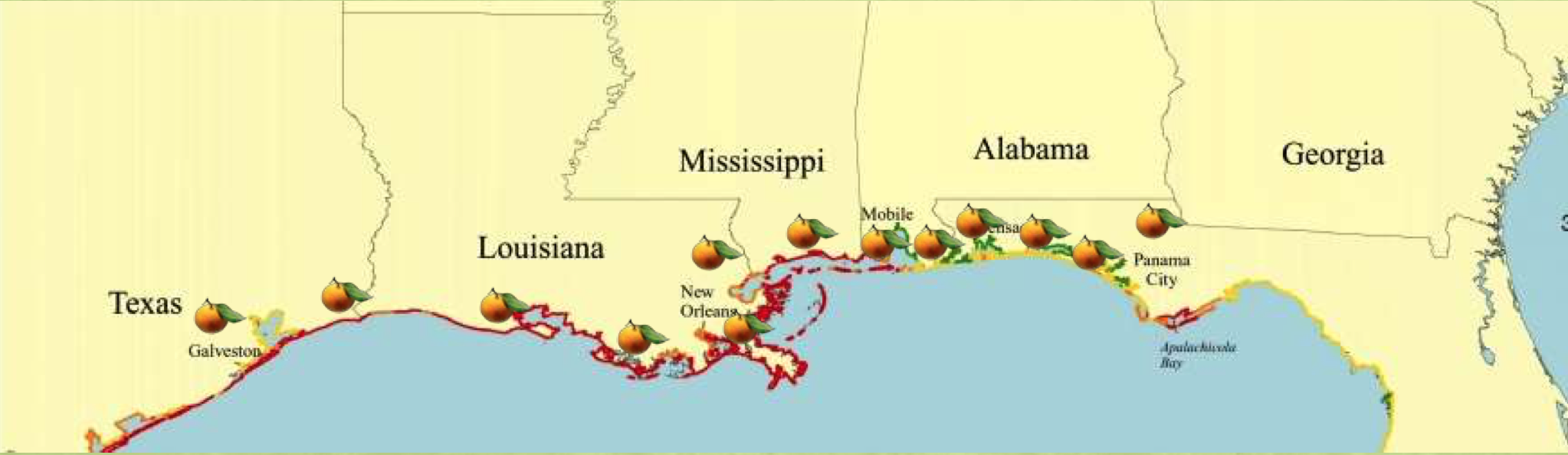
Since the 1880’s, cultivation of the “satsuma” quickly spread. For example, during the period 1908-1911 alone, about a million “satsuma” trees were imported from Owari area, Japan.
The citrus trees were planted throughout the lower Gulf Coast states. In northern Florida, Alabama, Mississippi, Louisiana and Texas, people developed an “satsuma” industry so extensively that the area was called “The Satsuma Belt”.
By the early 1900’s, much of the long-leaf pine forests, once a familiar sight of this area, was clear cut and replaced by “satsuma” trees. Land-owners such as railroad companies gave copious publicity to entice wealthy Northerners to move and buy portions of their property.
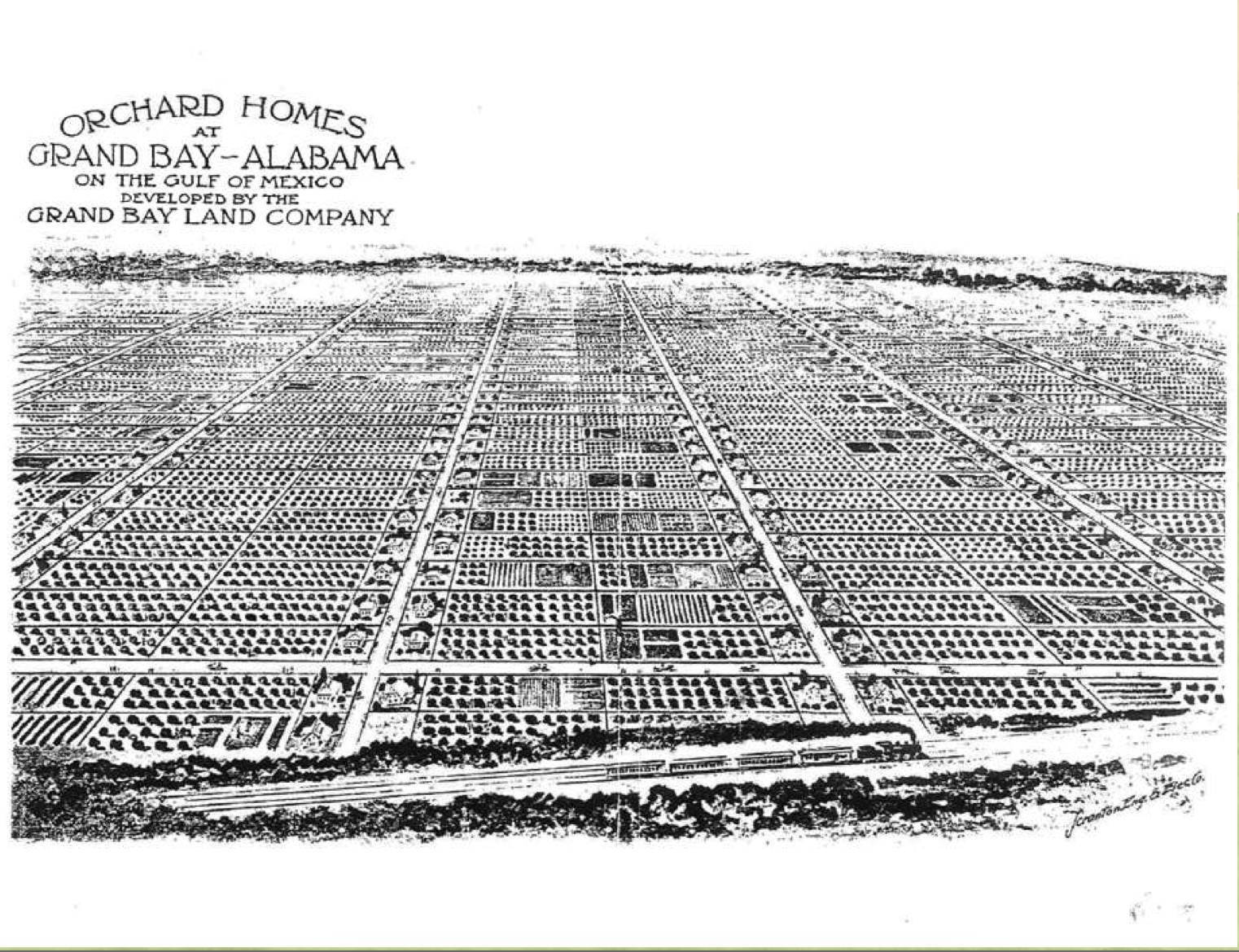
Some of those “satsuma” groves were larger than 5,000 acres (2,000 ha). Popular ones were divided into more affordable, smaller farms.
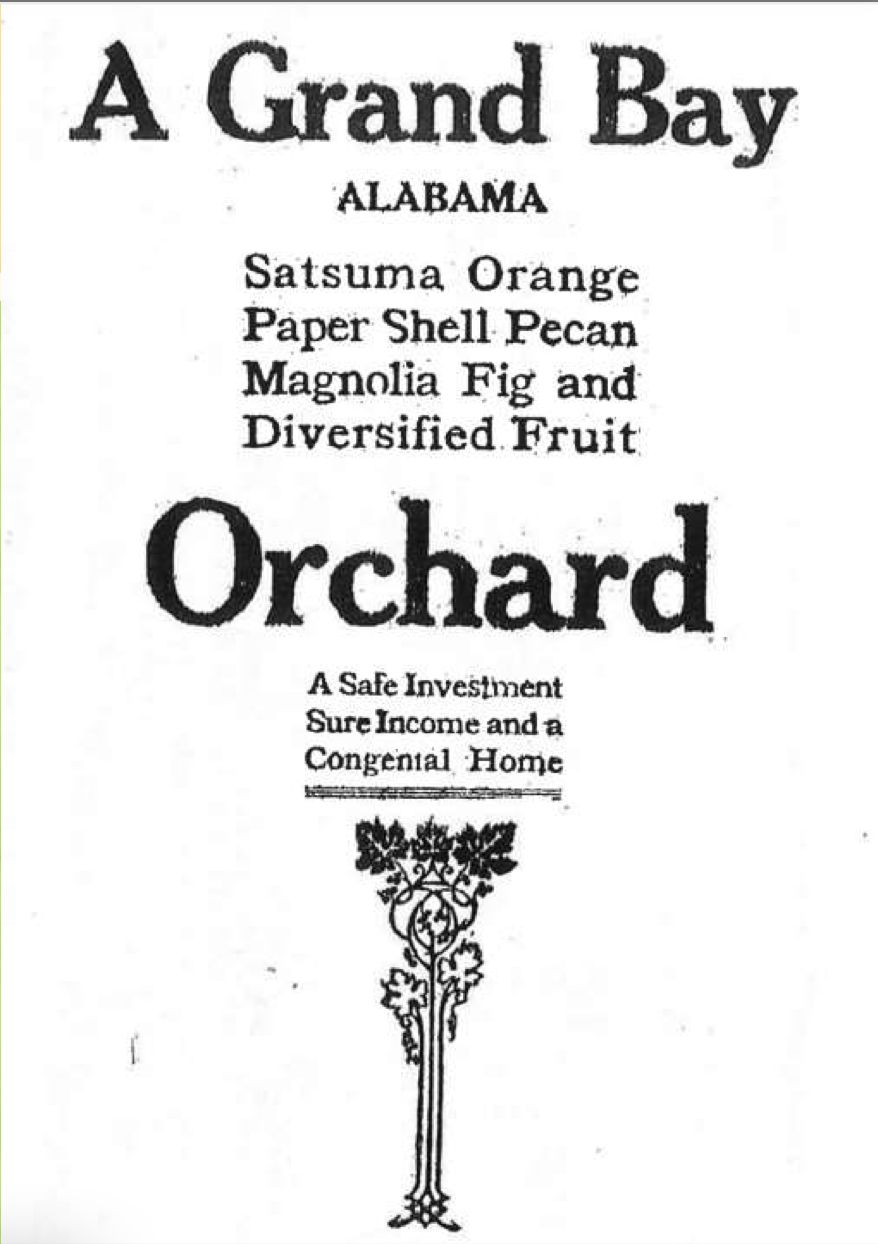
Some properties were sold as a set of a house and a “satsuma” grove. According to an advertisement, no hard labor was necessary to grow “satsumas”. And when they ripen, they hang on to the trees for months. You can pick and ship them at your leisure. A nice house. Very safe investment. Only 100 orchards are left!
In the early 1900’s, “satsumas” were also planted as interplants in pecan orchards. The farmers originally planned to remove the “satsuma” trees after a few years. However, production of satsuma was so encouraging that many removed the pecan trees instead.
In 1915, “The New York Times” reported a success of a former cotton farm in Alabama which had converted itself to a “satsuma” orchard.
We can also feel the passing of the “satsuma gold fever” by the fact that today, there remain four municipalities named “Satsuma” in the South. However, none of them grows the “satsuma” any more.
Occasional severe freezes in the 1920’s and 1930’s have reduced satsuma acreage.
12. Satsuma in the 21st Century
Today, “satsuma” is not the mainstream citrus in the US. However, it is an important commercial citrus type grown in the South. Schools there often serve “satsuma” for school lunch in winter.
In many areas in the lower Gulf States, which used to be the “satsuma belt”, people have resumed satsuma cultivation or are considering its resumption in the 21st Century.
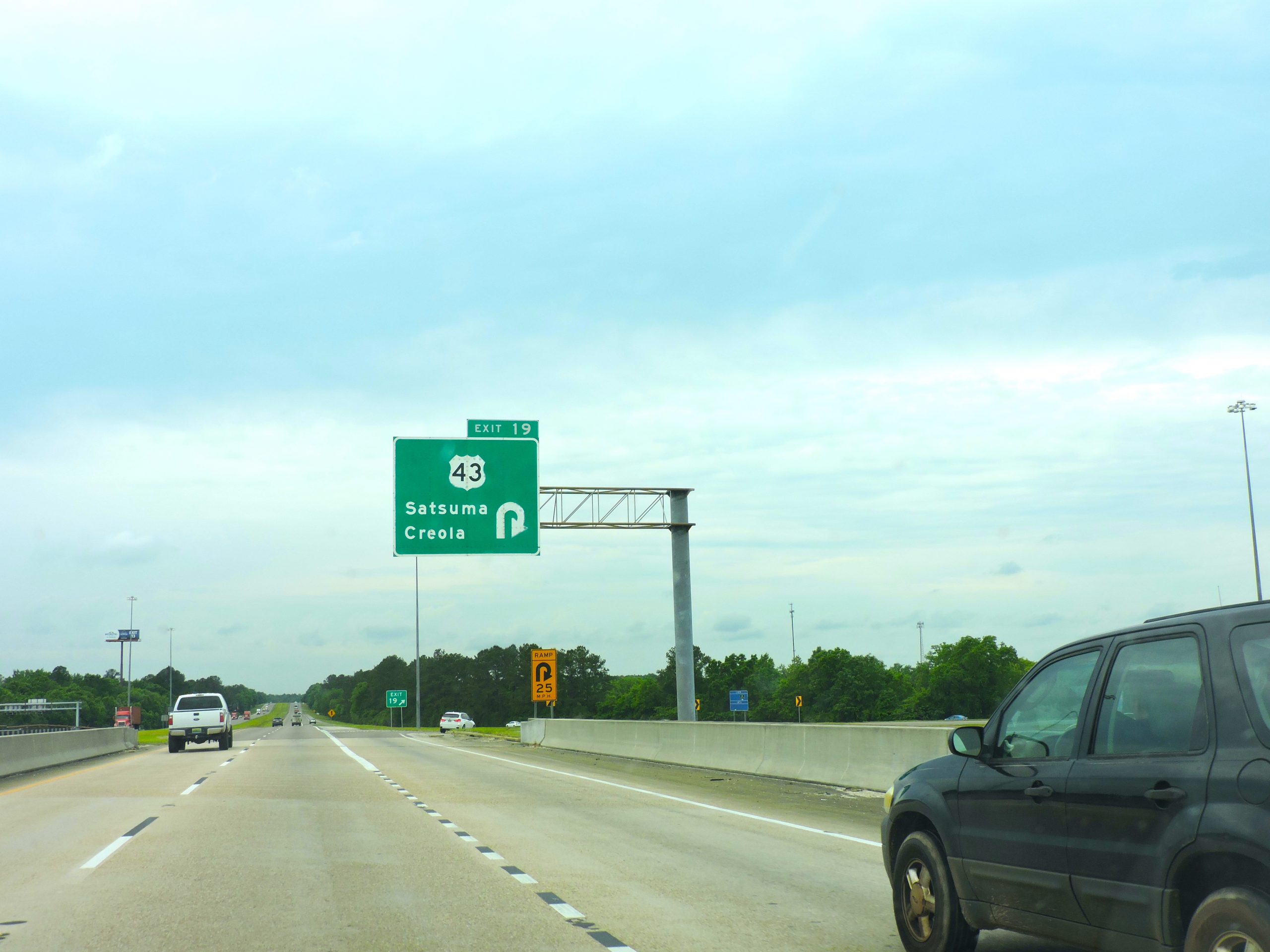
Agricultural and Horticultural divisions of universities in these states have learned from history and conducted research on countermeasures for cold waves, effective cultivation, and the improvement of breed.
According to a paper from Auburn University, the “satsuma” tolerates a cold wave of temperatures as low as 12 degrees Fahrenheit (minus 11 degrees Celsius) if it has been acclimated.
13. “Satsuma” in Charleston, SC
South Carolina is located a little north of the Gulf States, but when the season comes, we see saplings of “satsuma” for sale at local nurseries.
Some of them will grow and bear delicious fruit in a few years like the one at our neighbor’s who kindly shared some with us.
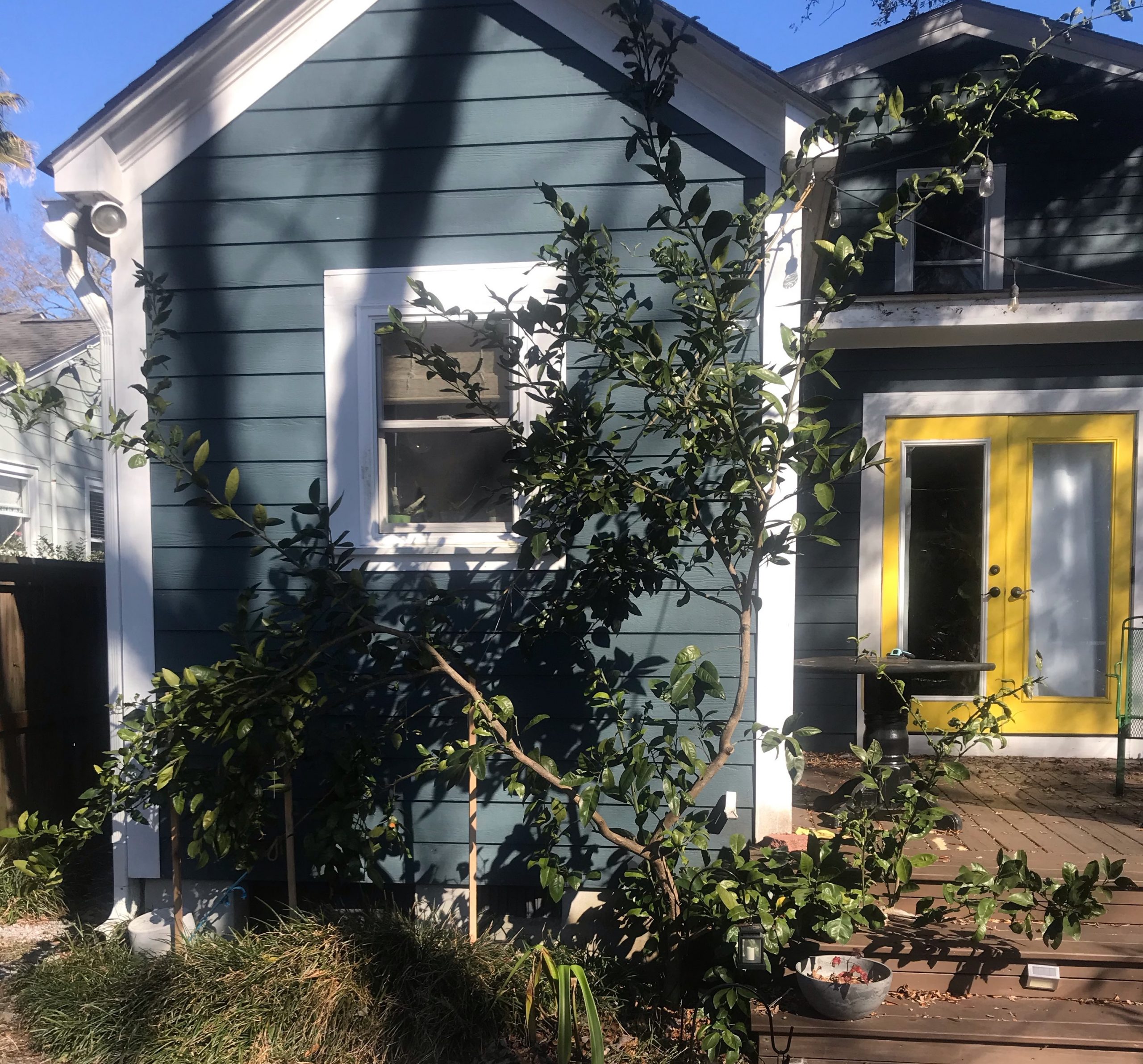
We quickly consumed them, but after that we were able to buy “satsumas” at nearby supermarkets and continued to eat them from December to February.
Speaking of supermarkets, it was easy to find “satsumas” among many varieties of oranges and mandarins. It’s because “satsumas” were the only citrus sold with one or two leaves on a tiny branch attached to each fruit. We had never seen Citrus unshiu sold thus in Japan. Some say the leaves create natural shock absorber, thereby protecting the delicate citrus during transportation.
We think it’s a great idea.
*************************************************
This was the story about the US and Satsuma.
Next post will be about how Citruc unshu was brought to the United Kingdom and given the name “satsuma”. =>The UK and the “Satsuma” mandarin
[End of the English post]
米国とサツマみかん
前回の「サツマ」みかんとは何かに続き、ここでは、温州みかんが米国に入った経緯と、なぜ米国で「サツマ」と呼ばれるようになったか、お話ししたいと思います。
目次 1. 温州みかんがニューオーリンズに? 2. 18世紀イエズス会のオレンジ 3. 接ぎ木の手法 4. ロバート・ヴァン・ヴォルケンバーグ 5. アナ・ヴァン・ヴォルケンバーグ 6. 最初の「サツマ」果樹園 7. ジョージ・R・ホール博士 8. 米国へ戻って 9. 「サツマ」は寒波に耐えた 10. ご婦人の手を汚さない「サツマ」 11. サツマ・ゴールド・フィーバーの時代 12. 21世紀の「サツマ」 13. チャールストンの「サツマ」 参考資料
1.温州みかんがニューオーリンズに?
ウィキペディアの温州みかんのページで、面白いリンクを見つけました。ニューオーリンズのあるラジオ局のブログに、18世紀にニューオーリンズでイエズス会がアジアの柑橘、「サツマ」こと温州みかんを栽培していたと書いてあったのです。
つまり、温州みかんの北米デビューはニューオーリンズだったと。本当でしょうか?
私たちが知っている範囲では、16世紀後半の日本で、スペインやポルトガルのイエズス会の修道士たちが宣教活動を行っていました。活動は初めかなり好調で、温州みかんが発生した地域 (現在の鹿児島県) にもキリシタンになった大名がおりました。[16世紀末のキリシタン大名の領地などの地図は、英文部の第一節をご参照ください]
したがって、宣教師たちが温州みかんのおいしさを知ってヨーロッパに持ち帰り、それが約120年後にニューオーリンズに伝わった。そういう可能性は、あるでしょうか?
2.18世紀イエズス会のオレンジ
18世紀前半、フランスは、現在の米国ルイジアナ州ニューオーリンズ地域を植民地にしようとしていました。
フランスのイエズス会は、原住民に宣教を行うかたわら、1727年ごろから1763年まで、ここでタバコや砂糖、柑橘類を栽培する大農園を経営していました。この柑橘が温州みかんだったというのが件のラジオ局の説。
一方、この時、イエズス会士が育てていたのは、西インド諸島から持ってきたオレンジの種であったともいわれています。
このオレンジの種説を裏付けているのは、「接ぎ木」は当時米国の柑橘栽培では行われていなかったとする研究です。
3.接ぎ木の手法
米国では、商業的な柑橘栽培で接ぎ木が一般に行われるようになったのは、1870年代のことでした。
接ぎ木について、のちに触れるヘレン・ハーコート著『Florida Fruits and How to Raise Themフロリダの果物とその育て方』(1886年)に、面白いエピソードがあります。著者が近所に住む女性から聞いた話です。
14年前、自分たちは北部からフロリダに移住した。庭に木陰がなかったので、近くの野生のオレンジの林から木を移植した。しかしそのオレンジは酸っぱかったので、実がなっても誰も食べず、地面に落ちて腐るに任せていた。
ある日、見知らぬ男が立ち寄った。男は、オレンジの素晴らしい栽培法を知っているといって、熱心に説明した。木の上部を切り倒し、切り株の幹に甘いオレンジのなる木の枝を差し込むのだと。
夫は興味を持ち、やってみたがった。妻は反対して、怒ったり泣いて頼んだりしたけれど、夫は木を切り倒してしまい、男が置いていった緑の枝を接いでみた。
するとみごとにつき、三年もするとおいしいオレンジがたくさんなり始めた。そのうち、オレンジを売って収入にできるまでに。いまや立派な果樹園の共同経営者となったその女性は、その男に神の恩恵を願い、夫にもとても感謝しているというのです。
これはオレンジの話ですが、温州みかんも接ぎ木で育てます。
ですから、18世紀のイエズス会士たちはやはりカリブ海のオレンジの種を蒔いて育てたのでしょう。
もちろん、当時のイエズス会で接ぎ木して温州みかんを作っており、その歴史と記憶が断絶しただけという可能性はあります。ただそれを示す資料が見つからないのです。
4. ロバート・ヴァン・ヴォルケンバーグ
次の話の舞台は、江戸時代末期の日本になります。
ちょうど大政奉還の前後、1866年から1869年に駐日米国弁理公使だったのは、ロバート・ヴァン・ヴォルケンバーグ (1822~1888) という人でした。
その有能さを買われて激動期の日本に送られたかと思うほど輝かしい経歴を持った人です。
初め法律を学び、ニューヨークで弁護士として開業しましたが、政治家になりました。ニューヨーク州議会議員、続いて共和党員として1861年から1865年まで米国議会議員を務めたと同時に、南北戦争で兵員募集の司令官、将校として目覚ましい働きをしました。
しかし、私たちにとってヴァン・ヴォルケンバーグ将軍の最大の功績は、日本に赴任した際、妻のアナを帯同したことです。
5. アナ・ヴァン・ヴォルケンバーグ
日本駐在中、ヴァン・ヴォルケンバーグ夫妻が九州を旅行したとき、薩摩 (現在の鹿児島県地域) で温州みかんを味わう機会がありました。
この温州みかんを、アナ夫人がいたく気に入ってしまいました。
ただの気に入り方ではありません。帰米後、温州みかんの苗木を薩摩からフロリダの自宅に送らせ、庭にその果樹園を作ったのです。
ヴァン・ヴォルケンバーグ将軍ももちろん積極的に動いたと思いますが、夫人の方に特に強い意志があったと伝えられています。苗木が届いたのは、赴任を終えて9年の後のことでした。
こうして1878年に夫妻は温州みかんを育て始めました。米国での「サツマ」栽培の嚆矢と言われています。
6.最初の「サツマ」果樹園
アナ夫人はまた、「温州みかん」や「長島みかん」など日本で使われていた名前を採らず、「Satsuma」と命名しました (日本人はここで驚きます)。
唐突なようですが、考えてみれば、これはよい改名でした。Unshiuは当時、音が英語に馴染まず、ローマ字でも読みにくかったのでしょう。「サツマ」なら、名前らしく聞こえます。
さて、「サツマ」たちを育てて10年ほどして、アナ夫人は1887年に亡くなりました。夫もその翌年、後を追うように亡くなり、敷地は遺族によって分割・売却されました。
日本から取り寄せた苗木を含め75本、初代「サツマ」果樹園はこうしてその短い一生を終えたのです。
しかし、夫妻が育てていた10年の間に、珍しい柑橘「サツマ」――甘くて種がなく、手で剥ける――の名は、フロリダだけでなく南部一帯に広まっていました。きっと、当時も州最高裁の副裁判官だったヴァン・ヴォルケンバーグ将軍の信望が一役買っていたのでしょう。
夫妻の家は、今もフロリダ州ジャクソンビルに建っています。
持ち主が変わるたびに改築、補修があり、中は迷路のようになってしまったそうですが、居住可能な、由緒ある邸宅です。いつかジャクソンビルを訪れる機会があったら、その近く、昔「サツマ」の果樹園のあったあたりを歩いてみたいものです。
7. ジョージ・R・ホール博士
一方、米国に最初に温州みかんを持ち込んだのは、ヴァン・ヴォルケンバーグ夫妻より2年前の1876年、ジョージ・R・ホール博士 (1820〜1899) であったという説が有力です。
ホール博士は、ロードアイランド州ブリストルで生まれました。ハーバード大学を出て医者になり、まず中国へ渡って上海で医業に就きました。
しかし、経済的な理由で数年後に医者をやめ、友人とパートナーを組んで貿易に携わることにしました。1855年に、博士は友人の船で初めて日本を訪れました。
事業は大成功でした。ホール博士と友人は美術や骨董を見る目があり、中国や開国前だった日本の珍しい品々、銅製品、象牙、翡翠、漆器、陶器などの貴重な骨董品を多数買い付けることができました。また、当時の金銀交換比率のために、金と銀の投機も非常に有利に運びました。
1860年には横浜にも外国人居留地が開設されたため、博士はここへ引っ越し、アジア滞在の最後の2年を過ごします。
それまで眠っていた博士の植物への興味が、この時期に俄然頭をもたげました。博士は熱心に日本の植物を集め始め、それを横浜の庭に植えておきました。
8. 米国へ戻って
1862年に、ホール博士はたくさんの植物を携えて米国へ帰国しました。
その多くはマサチューセッツとニューヨークの植木園芸店に譲られ、そこで栽培してもらうことになりました。それらの植木園芸家たちは、当時米国でもヨーロッパでも知られていなかった異国の植物を預かって、とても喜びました。
このうちには、米国の園芸・造園において今日まで愛されているものも多数ありますが、侵入種として迷惑になっているものもあります。
さて、博士は故郷のブリストルで生活を始めましたが、ほどなく家庭の大きな不幸に見舞われました。引っ越し先を探しながらフロリダで冬を過ごすうち、そこがすっかり気に入って、博士は同州ジャクソンビル地域に別宅を建てました。一方ブリストルの家は残しておいて、残りの半生をフロリダとブリストルを行き来しながら、二つの家の庭の世話をして暮らしたのです。
博士は、1875年に日本を再訪しました。ホール博士が1876年にフロリダで「サツマ」を植えたという説が主流なので、温州みかんはこの時に入手したのかもしれません。
9. 「サツマ」は寒波に耐えた
1880~81年の冬、寒波がフロリダを襲いました。博士が作っていた果樹園について、前出の『フロリダの果物』に、こんな記述があります。
1880年クリスマス当日の寒波は、フロリダの北部と中部の木々に壊滅的な被害を与えた (後略)。フォート・ジョージ島のセント・ジョン川河口は (中略)「サツマ」が初めてフロリダの地に植えられた場所である。ここのレモン、ライム、ざぼんは果実と幹がやられ、オレンジの葉や若枝も枯れ落ちたが、サツマは (中略) 実にも葉にも枝にも異状がなかった。葉が黄ばんだり落ちたりすることすらなかった。翌年1月の寒波の際も同様であった。
『フロリダの果物とその育て方』
ホール博士は当時フォート・ジョージ島のセント・ジョン川地域で土地開発に関わっていたらしいので、これは博士の果樹園だったと思われます。
寒波はホール博士の財政には大打撃でしたが、温州みかんの耐寒性は最初の例から明らかになったわけです。この本は当時フロリダでとても人気があったので、北部からの多くの移住者にとっても、「サツマ」栽培を始めるきっかけにもなったでしょう。
10. 「キッドの手袋」みかん
前出の『フロリダの果物』には、果物としての「サツマ」の描写もあります。
果実は中ぐらいの大きさで、平たい。皮は濃いオレンジ色で、なめらかで薄く、むきやすい。果肉は濃いオレンジ。袋は容易に分けられる。果肉の粒々は細かく、やわらかく、甘く、美味。「キッドの手袋」のたぐいでは最高級。
『フロリダの果物とその育て方』
18世紀半ば以降、米国では公の場に姿を現す時、必ず手袋をはめる女性が多かったといいます。家事や農作業で荒れた手を隠すことをエチケットと考えたのか、単なる流行かはわかりません。ともかく、手袋の素材で一番良いものはしなやかで薄く伸縮性のあるキッド (子羊皮) 。特に、ドレスアップするならキッドの白と決まっていました。
クレメンタインやタンジェリンなどのみかんは、「キッドの手袋オレンジ」と呼ばれていました。皮がむきやすく、上等なキッドの手袋をはめていても指先がきれいなまま食べられるためです。「サツマ」はその中でも最高級だなんていわれると、ちょっとうれしくなります。
アナ・ヴァン・ヴォルケンバーグも、温州みかんのこんなところが気に入ったのかもしれません。
11. サツマ・ゴールド・フィーバーの時代
「サツマ」栽培は、1880年代からメキシコ湾岸諸州で、急速に広まりました。例えば、1908~1911年だけで約100万本の「サツマ」が日本の尾張地方から取り寄せられました。
フロリダからアラバマ、ミシシッピ、ルイジアナ、テキサスに至る湾岸地域一帯には無数の「サツマ」の果樹園ができ、「サツマ・ベルト」と呼ばれたほどです。
20世紀初めまでには、この地方の風物だったダイオウマツ (大王松) はほとんど切り払われてしまいました。ここに広大な土地を所有していた鉄道会社などが「サツマ」果樹園の開発を行い、北部の裕福な人々が土地を買って移住することを期待して、大掛かりな広報活動を行ったのです。
2,000ヘクタール (5,000エーカー) 以上の大「サツマ」果樹園もありましたが、購入しやすい面積で「サツマ」栽培ができる分譲農地が大人気でした。
建売建築と果樹園のセットもありました。ある広告によれば、面倒な農作業は一切不要。庭の「サツマ」が実ったら、枝にならせておいて、暇な時に収穫すればお金になります。快適な家も建っています。きわめて安全な投資です。残りわずか100軒!
1900年代初めにはまた、ぺカン農園では、コンパニオン・プラントとして「サツマ」をぺカンの幼木の間に植えていました。もともと数年で抜く予定だったのですが、「サツマ」があまりに見事な実をつけるので、逆に数年後ぺカンの木を抜き、「サツマ」栽培に切り替えてしまいました。
1915年の『ニューヨーク・タイムズ』紙で、サツマ栽培に転業して成功した綿花農園の例も報道されています。
今日でも南部には、この時代に「Satsuma」と名付けられた町が四つも残り、過ぎし日の「サツマ金鉱熱」(みかん色を黄金の色に例えて呼んだ)をしのばせます。でも、これらの町にはもうサツマの果樹園はありません。
1920~30年代に寒波が幾たびか湾岸諸州を襲い、その結果みかん栽培をやめた地域も多いのです。
12. 21世紀の「サツマ」
現在、「サツマ」は米国の柑橘の主流ではありません。しかし、南部では今でも重要な商業柑橘ですし、冬の学校給食ではよく出るそうです。
20世紀半ばまでにいったん廃業したけれど今世紀に入ってサツマ作りを再開したり、再開を検討したりしている地域はいくつもあります。
これらの州の大学農学部・園芸学部では歴史から学びつつ、寒波対策、栽培や品種改良などの研究を続けています。
アラバマのオーバーン大学の研究によれば、「サツマ」は土地の気候に馴らしてやれば、寒波が来てもマイナス11度までぐらいは頑張れるそうです。
13. チャールストンの「サツマ」
私たちの住む南カロライナ州も米国南部ですが、湾岸諸州より少し北に位置しています。でも、季節が来ると植木園芸専門店で「サツマ」の苗木を売っています。その中には、先日「サツマ」を下さったご近所のお宅のように、数年でおいしい実をたくさんつけるようになる木もあるのです。
いただいた「サツマ」はすぐなくなってしまったけれど、12月から2月にかけては、うちの近くのスーパーで「サツマ」が買えました。
スーパーでは、さまざまなオレンジやマンダリンの中、「サツマ」だけはしばしばひとつひとつの実に葉を一、二枚つけたまま売っていました。見つけやすいけれど、日本の温州みかんでは見かけない光景です。葉がついているのは、一説では葉を一緒に梱包すると自然の緩衝材になり、つぶれやすいみかんを守るためだそうです。
それが本当だとすれば、とてもいいアイデアだと思いました。
****************************************************
米国とサツマみかんの話は、以上です。
次回は、温州みかんが英国へもたらされ、「サツマ」と呼ばれるようになった経緯についてお話をしたいと思います。=> 英国と「サツマ」みかん
[和文部終わり]
References / 参考資料
- WWNO Farmer’s Market/satsuma, www.publicbroadcasting.net/wwno/newsmain/article/6681/0/1567462/Farmer’s.Market/Satsumas
- 南蛮貿易とキリスト教、キリシタン大名地図©︎世界の歴史まっぷ, https://sekainorekisi.com/japanese_history/南蛮貿易とキリスト教/
- The history of the Jesuits in New Orlearns, Immaculate Conception Jesuit Church, https://jesuitchurch.net/the-parish
- The citrus fruit industry in Louisiana, S. H. Bederman, Southeastern Geographer Vol. 1, University of North Carolina Press, https://www.jstor.org/stable/44370456
- Florida fruits and how to raise them, Harcourt, H, https://stars.library.ucf.edu/floridaheritage/34/
- https://en.wikipedia.org/wiki/Robert_B._Van_Valkenburgh
- https://jaxpsychogeo.com/east/empire-point-suddath-van-valkenburgh-house/
- George Rogers Hall, Lover of Plants, James M. Howe, Jr., Journal of the Arnold Arboretum Vol. 4, No. 2, Arnold Arboretum of Harvard University, http://jstor.org/stable/43780354?seq=1#metadata_info_tab_contents
- https://unlgardens.unl.edu/documents/the-first-japanese-plants-for-new-england.pdf
- Helen Harcourt, Late 19th Century Guidebooks, https://myfloridahistory.org/frontiers/radio/program370
- Gloves in the Mid-1800’s, https://hollysheen.blogspot.com/2017/04/gloves-in-mid-1800s.html
- The Satsuma Mandarin, Andersen & Ferguson, IFAS Extension, University of Florida, https://edis.ifas.ufl.edu/pdffiles/CH/CH11600.pdf
- Production Practices for Satsuma Mandarins in the Southeastern United States, American Society for Horticultural Science, https://journals.ashs.org/hortsc/view/journals/hortsci/43/2/article-p290.xml
- Satsuma Cultivar Evaluations, J. Spiers, Horticulture Department, Auburn University, nwdistrict.ifas.ufl.edu/phas/files/2018/03/Satsuma-Cultivars.pdf
- Logging train at work-Pensacola, Florida, Florida Memory, State Library and Archives of Florida, https://floridamemory.com/items/show/24984
- Sectional Map of Florida, 1888-East and Southern Portion, Florida Memory, State Library and Archives of Florida, https://www.floridamemory.com/items/show/322994
- Crop Profile for Satsuma Mandarin in Alabama, https://ipmdata.ipmcenters.org/documents/cropprofiles/ALsatsumamandarin.pdf