A Winter Entertainment
Contents
- A winter entertainment of the Edo Era
- An entertainment for a boy in a seaside town
- The power of naming
- ルビ付き和文 Japanese translation with Ruby
***************************************************************
1. A winter entertainment of the Edo Era
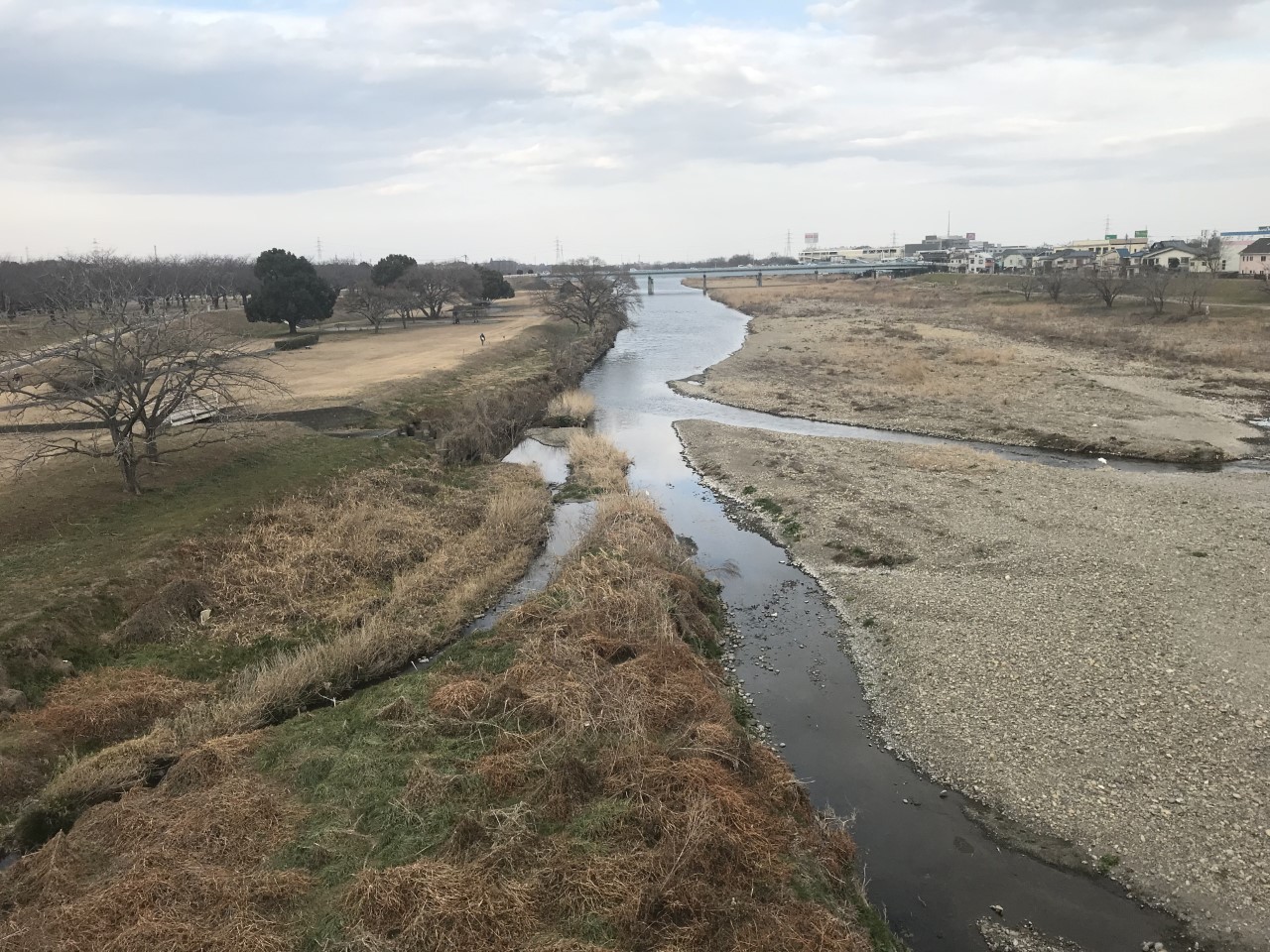
In early January, we had the opportunity to walk in wintry fields and gardens in Japan.
The fields were all brown with dead grass and bare tree branches.
However, the unexpected beauty of the view reminded us of the long-lost winter entertainment, an outing called “kare-mi-no”.
“Kare-mi-no” or dead field viewing, is not practiced in today’s Japan but they say the Edokko folks used to enjoy it.
Edokko means Edo (present-day Tokyo)-born, working-class people living in certain parts of downtown Edo during the 17th through mid 19th century. They were known for having a special lifestyle and philosophy. They also had a certain freedom of spirit. For example, sometimes they would find value in things that people of upper class, other areas, or from earlier times had not paid much attention to.
This winter entertainment of “kare-no-mi” was one of them. They would invite each other and go out on a warmer day in winter. The sole purpose was to see the brownish view of the totally dead field.
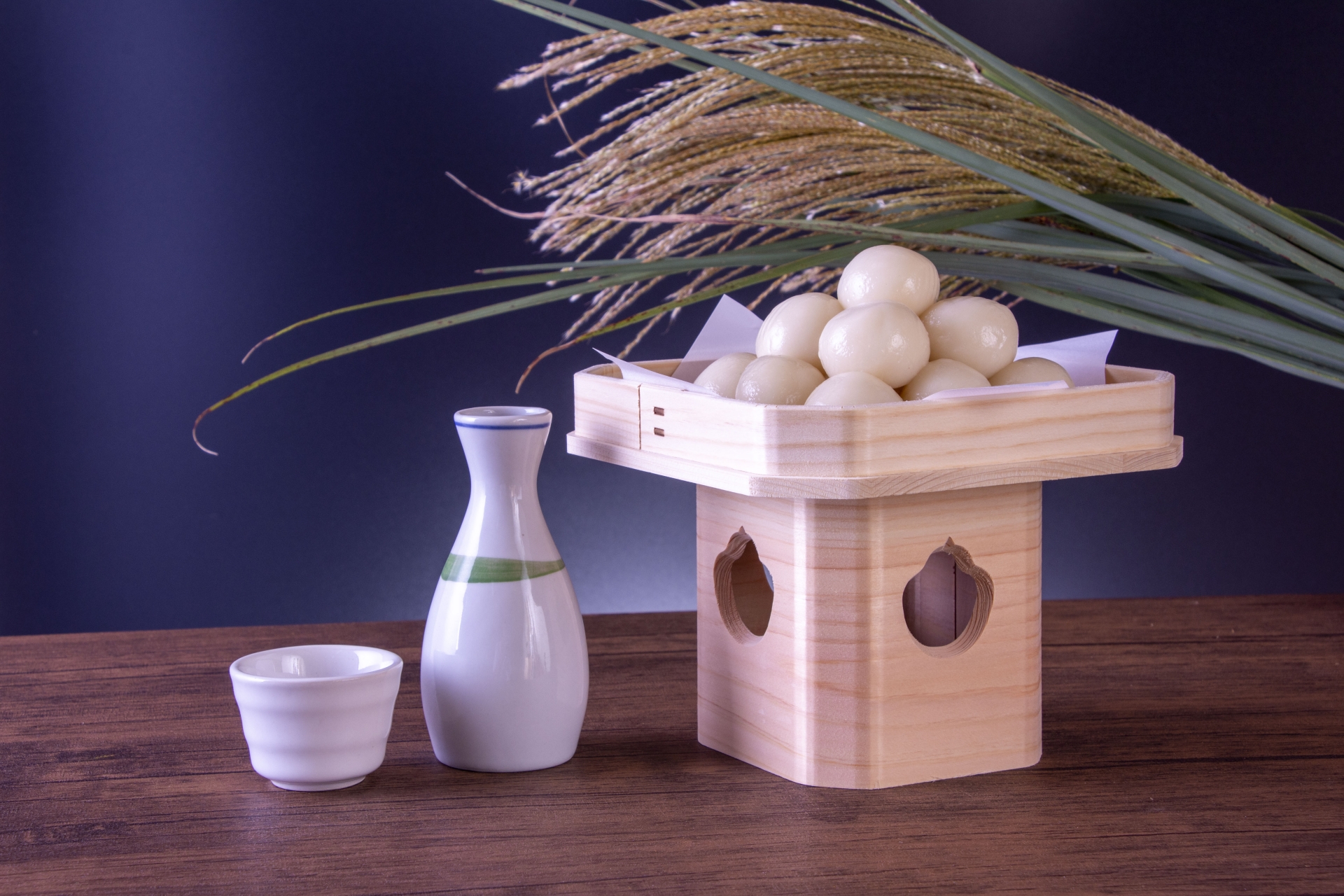
I imagine they would bring some “sake” (wine) in a small jug of unglazed pottery and something nice to go with it such as dried squid. Or they were looking forward to dropping in at a teahouse on the way back. Then they would have a hot cup of tea and some sweets such as rice cake with bean paste.
2. An entertainment for a boy in a seaside town
My father grew up near the warm sea in Odawara, Kanagawa Prefecture. When he was small, he would go to the beach often. There he would play with crabs, catch fish and clams, or just walk on the sand. As he walked, he looked for such small treasures as pretty shells, eroded and rounded rocks and glass pieces.
When I learned the English word “beach-combing” and told him about it, he was immensely amused. To him, it was just a humble, frugal style of entertainment. He didn’t think it deserved such a fancy name like that.
3. The power of naming
In today’s Japan, the tradition of “kare-no-mi” has been lost. It seems that as seasonal outings, we now only practice [cherry] blossom viewing (“o-hana-mi”), hiking in the mountains covered with vibrant greenery, fall foliage viewing (“momiji-gari”) or viewing of snowy scenes (“yuki-mi”).
However, there must still be a lot of small, enjoyable activities even if we don’t know how to call them. “Beach-combing” and the wintry entertainment of “kare-mi-no” are good examples. Even “gardening” and “bird-watching” must have been something, at the beginning, you would wonder why people wanted to call such commonplace activities with imposing names.
Giving names to nameless activities on our own would cast new light on them. In addition, it might allow us to focus more and be happier in our engagement to them!
[End of the English post]
冬の楽しみ
目次
- 江戸の冬の楽しみ
- 海辺の町の少年の楽しみ
- 名付けの力
***************************************************************
1.江戸の冬の楽しみ
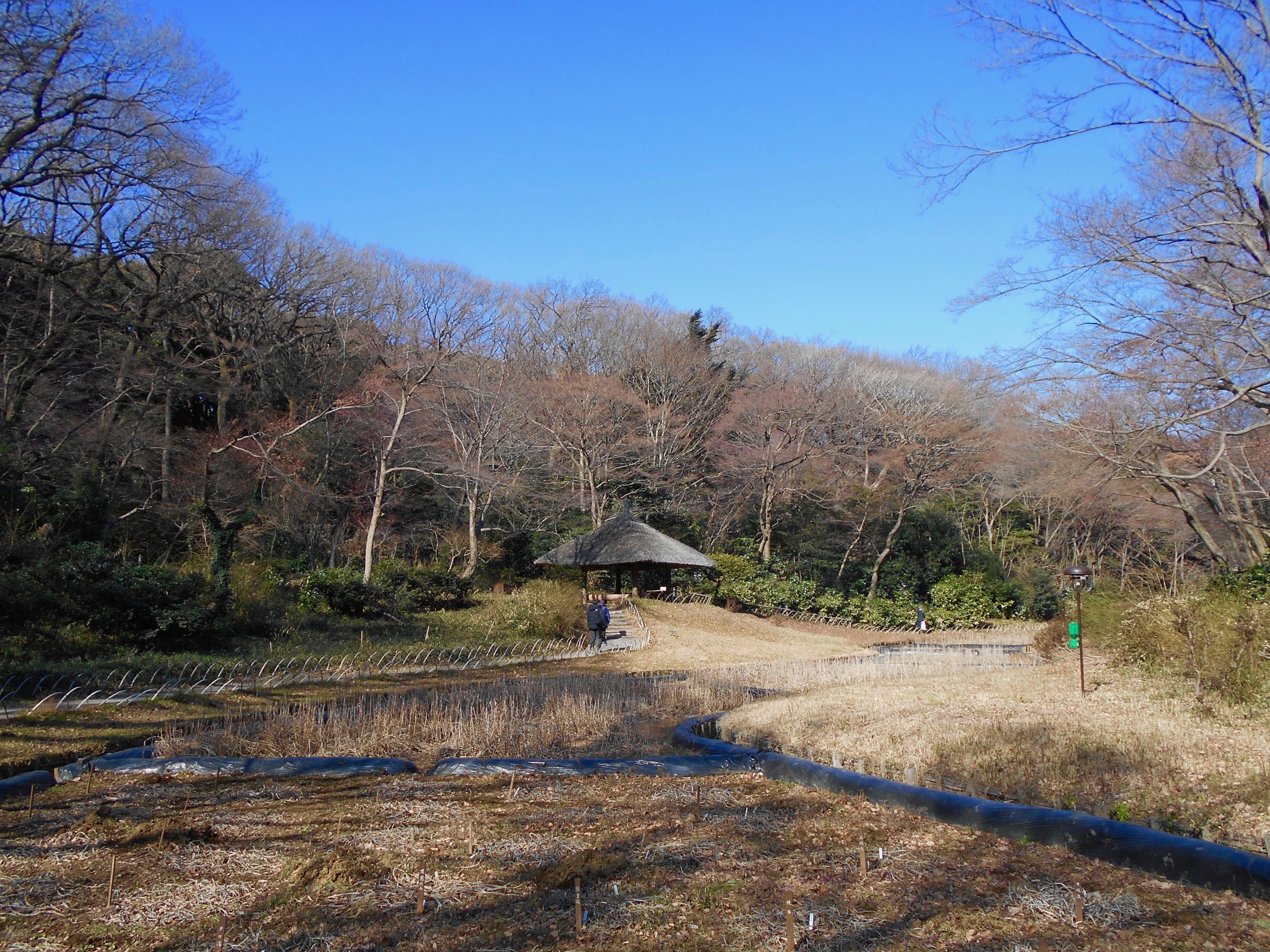
一月初めに、日本の冬の野原や庭園を歩く機会がありました。
枯れ草や葉の落ちた枝ばかりで、何もかも茶色です。
でも、そこには思いがけない美しさがあって、今は忘れられた昔の冬の楽しみごとを思い出しました。「かれのみ」というお出かけです。
「かれのみ」は「枯れ野見」と書き、枯れた野を見に行くことです。現代の日本にはありませんが、江戸っ子が楽しんだ冬の娯楽だそうです。
江戸っ子とは、17世紀から19世紀の半ばぐらいまで江戸(現在の東京)のある下町地域に住すんでいた、労働者階級の人々のこと。独特の生活哲学と自由な精神があって、上の階級、違う地域の人々、あるいは昔の人々があまり気に留めなかった事物に価値を見出して楽しむようなところがありました。
この「枯れ野見」はそんなことのひとつ。人々は暖かい冬の日に誘い合わせて出かけては、ただ枯れ果てた野原を眺めたのだそうです。
これは私の想像ですが、小さな素焼きの瓶にお酒を詰め、おつまみに干しイカなんか持っていったのでしょうか。あるいは、帰りに茶屋に寄って熱いお茶とあんこを添えたお餅などを食べるのを楽しみにしていたとか。
2. 海辺の町の少年の楽しみ
私の父は、小田原の暖かい海の近くで育ちました。子供の頃、よく浜に行ったそうです。カニと遊んだり、魚や貝を採ったり、きれいな貝や丸くなった石やガラスのかけらのような宝物を拾っていたらしい。
あるとき、私が「beach-combing」という英語を習って父に話すと、父はとてもおもしろがりました。父にとっては、浜辺でものを探したり拾ったりして歩くのはまことにつつましい娯楽で、そんなかっこいい名前をつけるなんておかしかったのです。
3.名付けの力
今日の日本では、「枯れ野見」の伝統は絶えています。季節のお出かけとしては、お花見、新緑の頃のハイキング、紅葉狩り、雪見などが主になったようです。
でも、特別の呼び方がなくても、私たちが楽しめる小さなことは今でもたくさんあるでしょう。「ビーチ・コーミング」や「枯れ野見」はその良い例です。「庭づくり」や「バードウオッチング」だって、最初は「そんな当たり前のことに大層な名をつけるなんて?」ということだったに違いありません。
まだ名も無いアクティビティーに自分で名前をつけてみると、それに新しい光が当てられて、意識も高まり、より楽しく行えるかもしれません。
[和文終わり]